M.N’s Outlines of Political Leadership
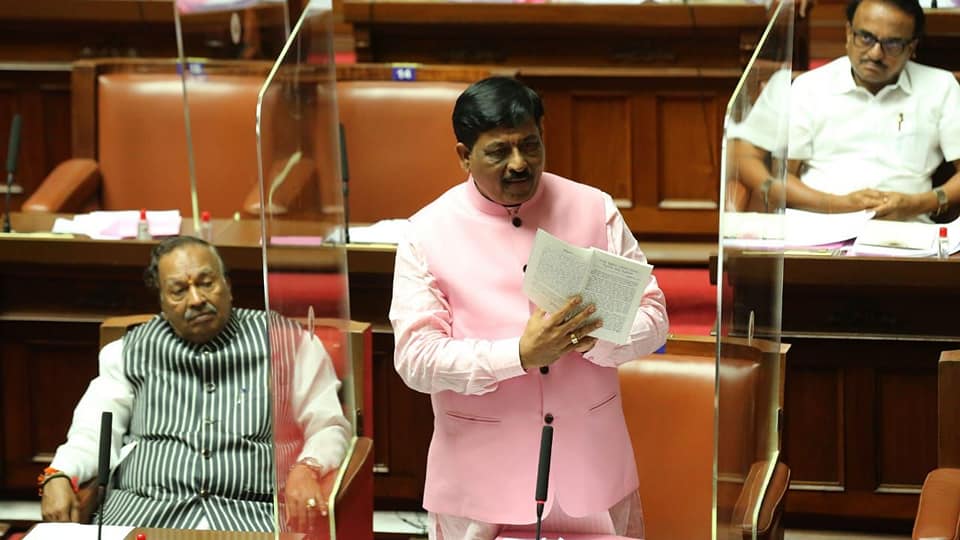
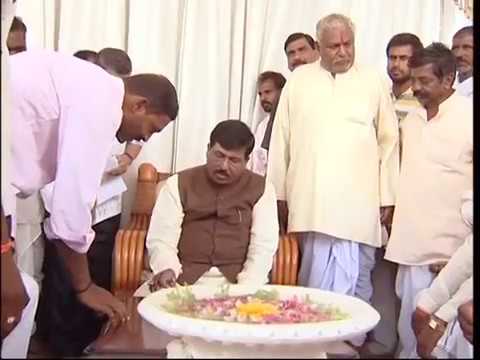
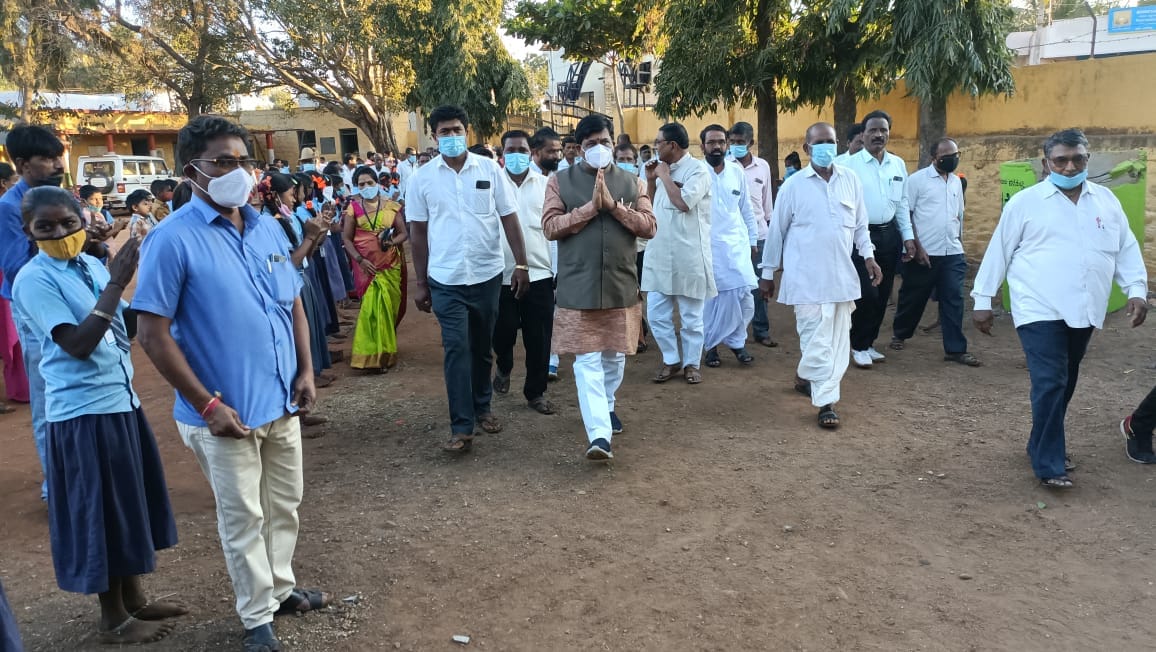
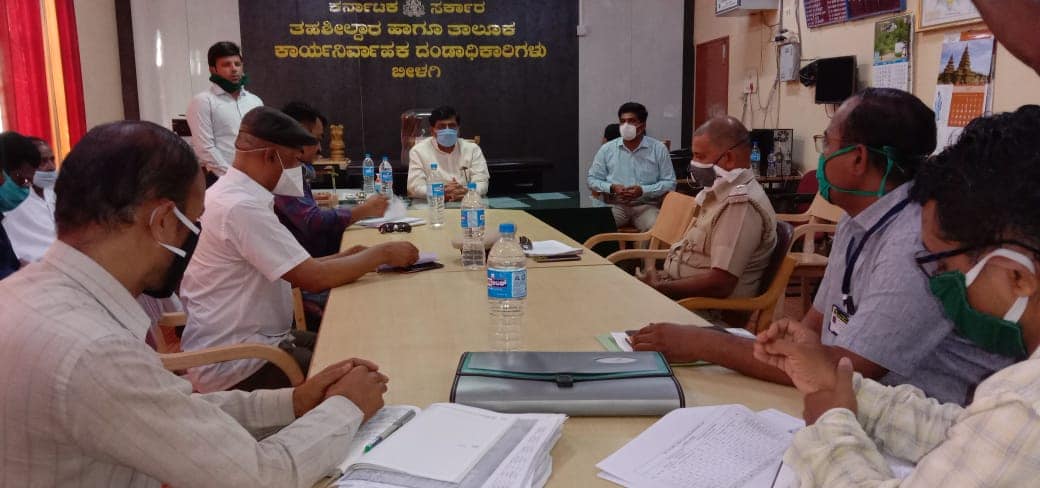
In various fields like politics, science, literature, art, industry, and social management, leaders emerge with their own commitment. A leader who adheres to a specific commitment throughout life, carries responsibility, and efficiently manages an organization to success can become a good leader. As Robin Sharma says, ‘There is a leader even in a sweeper.’ This statement is true. Everyone possesses leadership qualities, but only some succeed in managing them effectively, thereby emerging as good leaders. Others, due to a lack of proper guidance, make errors in their decisions and fail in handling leadership. Leaders should first shed their ego and live. As Sarvajna observed, they should embody the noble qualities of kingship along with governance. Murugesh R. and Nirani have made strides in this direction. The lines from Sarvajna’s vachana, ‘One who can serve can rule as a king,’ can be cited. Only if one possesses the qualities of a servant can one become a good king. To manage any task, the king should be like a common man. One should be among everyone. In handling any task, instead of blaming others, one should take responsibility and perform the work.
Murugesh Nirani has possessed leadership qualities from the beginning, which is why his achievements in the political sphere today are possible. A statement by Murugesh Nirani, “No one works as hard as I do; I seek new things, learn new things. I will make it happen,” is a true reflection of his leadership qualities. As George Bernard Shaw famously said, “A politician thinks of the next election when he is in power.” This statement literally applies to Nirani. Because his thoughts are wise and far-sighted, he has achieved success as a good leader. Several types of leadership have been identified. In this context, a list of different leadership models is presented below.
1. Nirankusha Nayakatva: Autocratic Leadership
2. Adhikarashahi Nayakatva: Bureaucratic Leadership
3. Tatasthaneeti Nayakatva: Laissez-faire Leadership
4. Charismatika Nayakatva: Charismatic Leadership
5. Prajaprabhutva Nayakatva: Democratic Leadership
6. Adarsha Nayakatva: Ideal Leadership
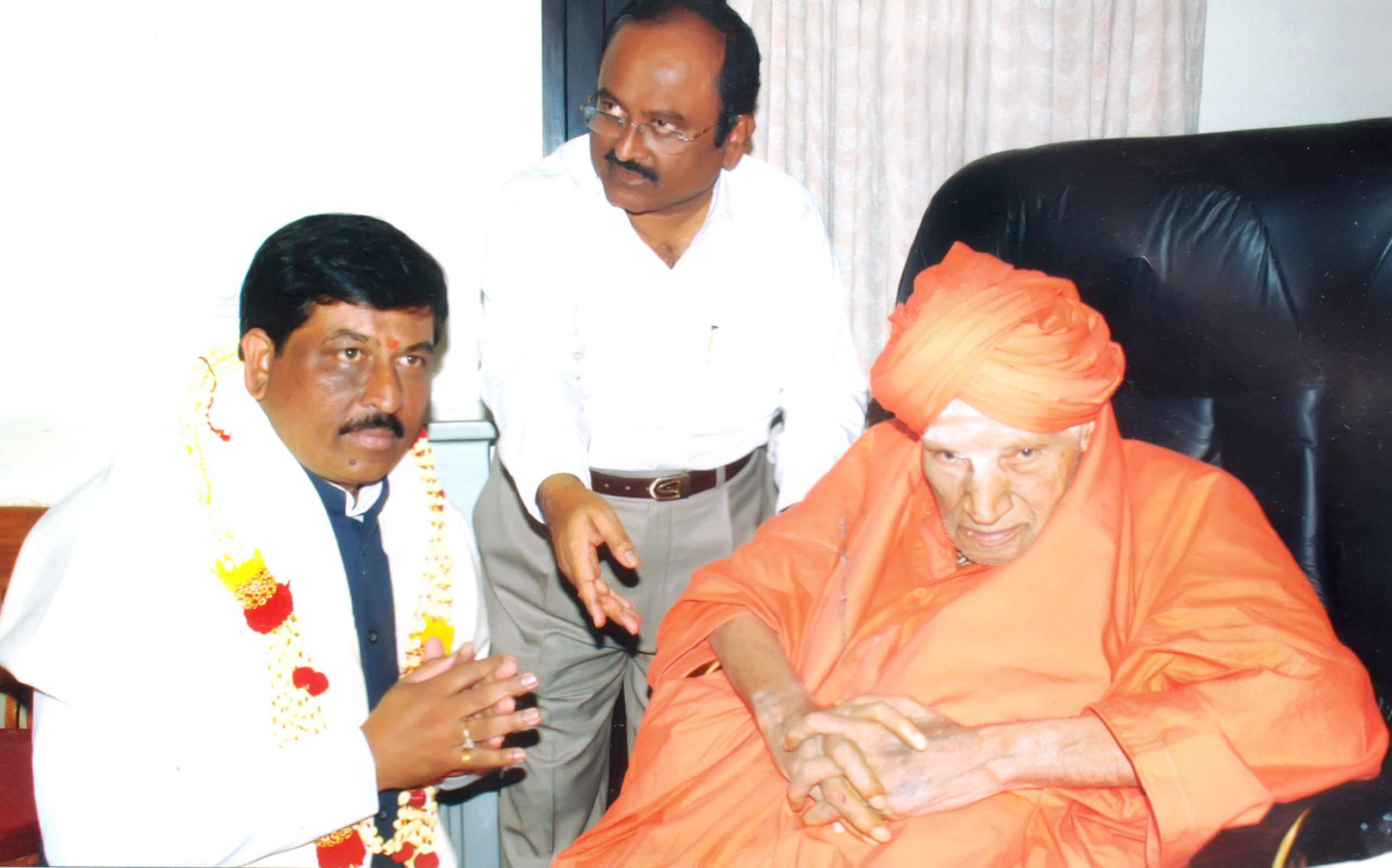
The actions performed by Nirani are a testament to his leadership. Sri Sadguru Abhinava Gurulingajangama Maha Swamiji of Sri Sadguru Rayalingeshwara Samsthana Math, Kakmari, Athani taluk, has expressed his opinion about Murugesh Nirani as follows: “This man possesses extraordinary talent and a seriousness not seen in any politician. He has introspective thinking. He possesses the qualities of a true leader. He will become the best Chief Minister of Karnataka in the future. All these qualities in Nirani reflect the success of a hardworking individual. Nirani’s diverse ideas, actions, social concern, political change, and enthusiastic performance are evidence of his leadership qualities.”
Theories of Leadership :-
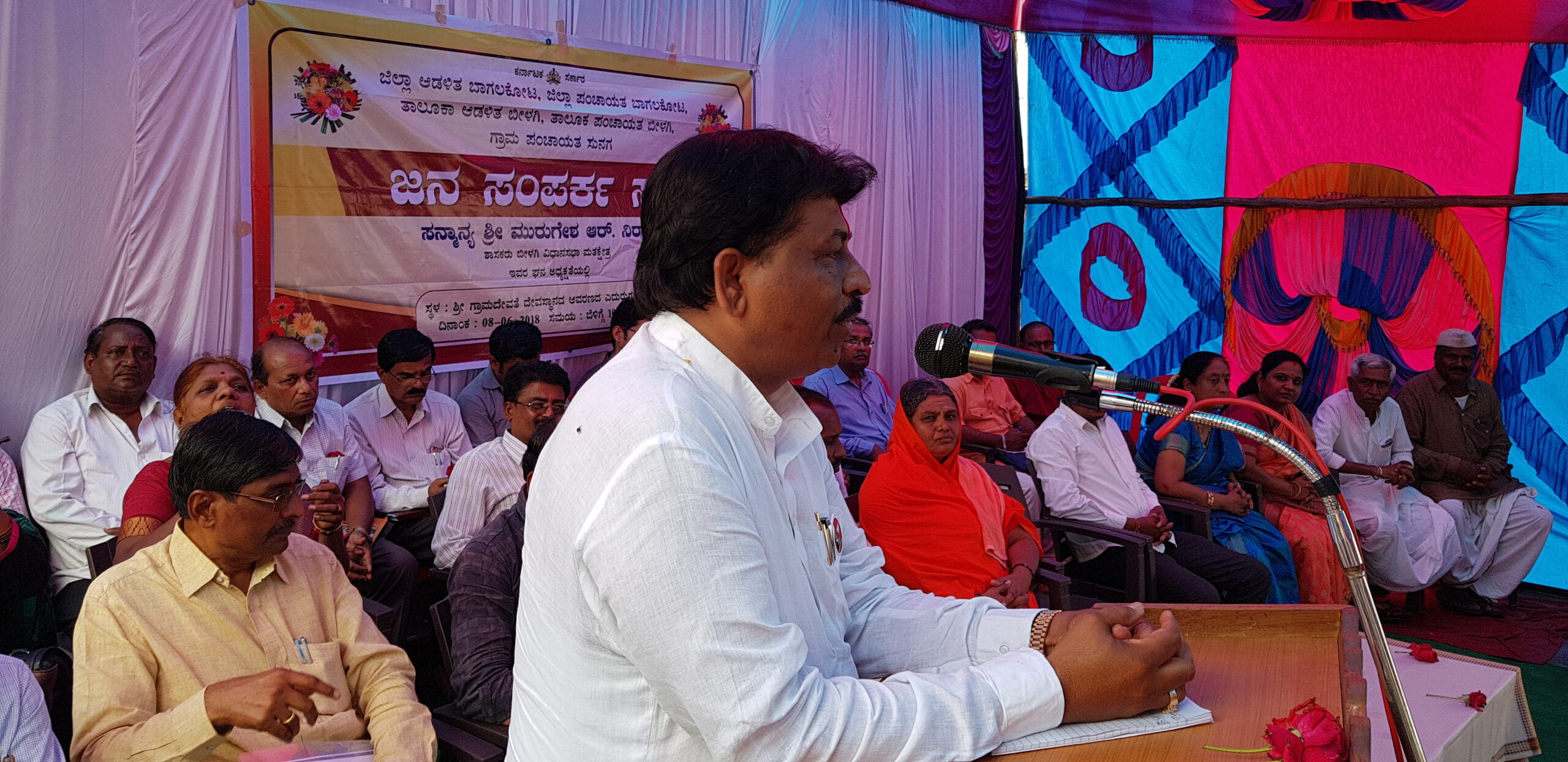
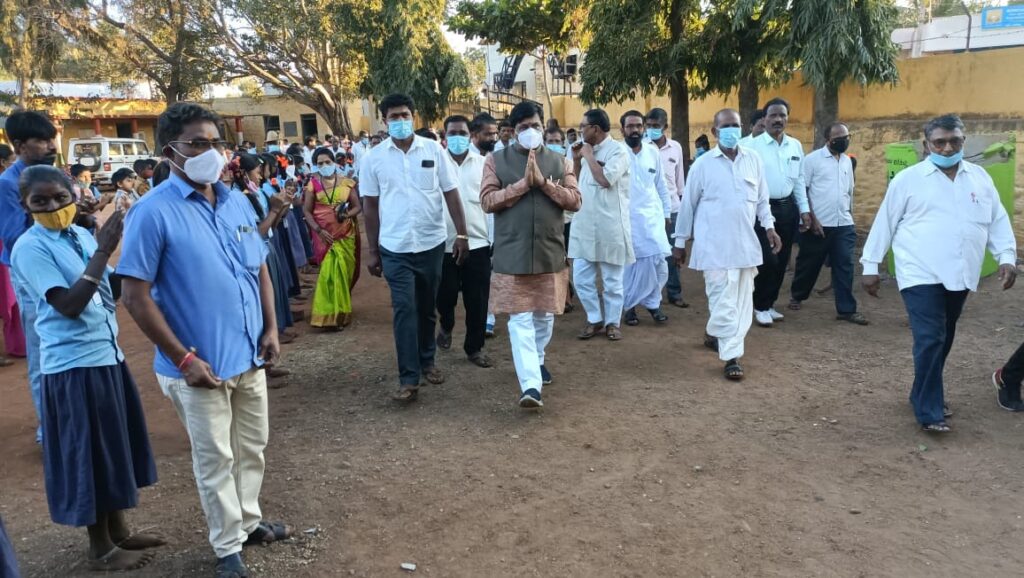
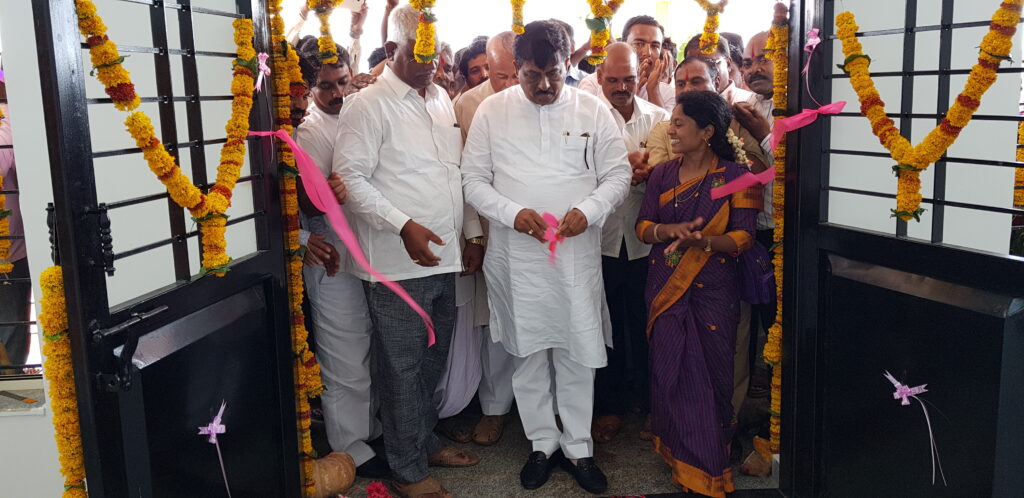
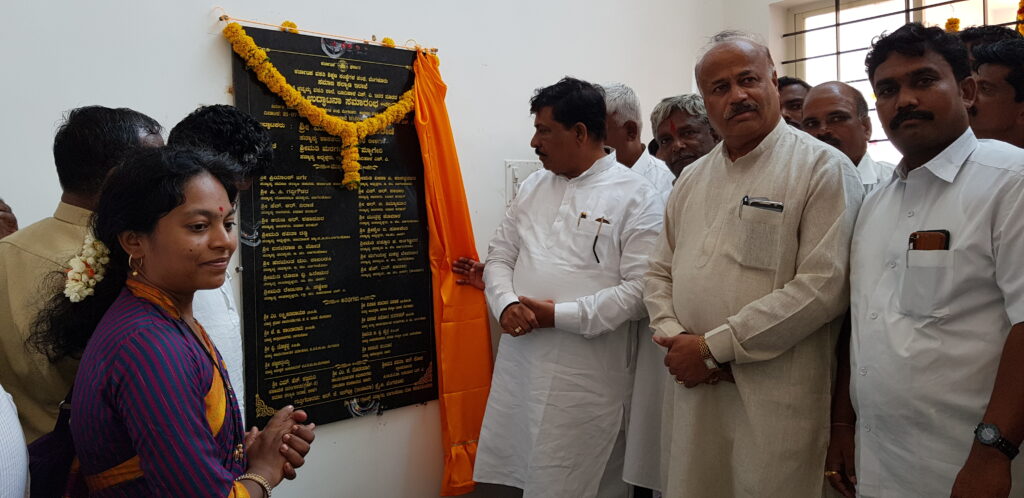
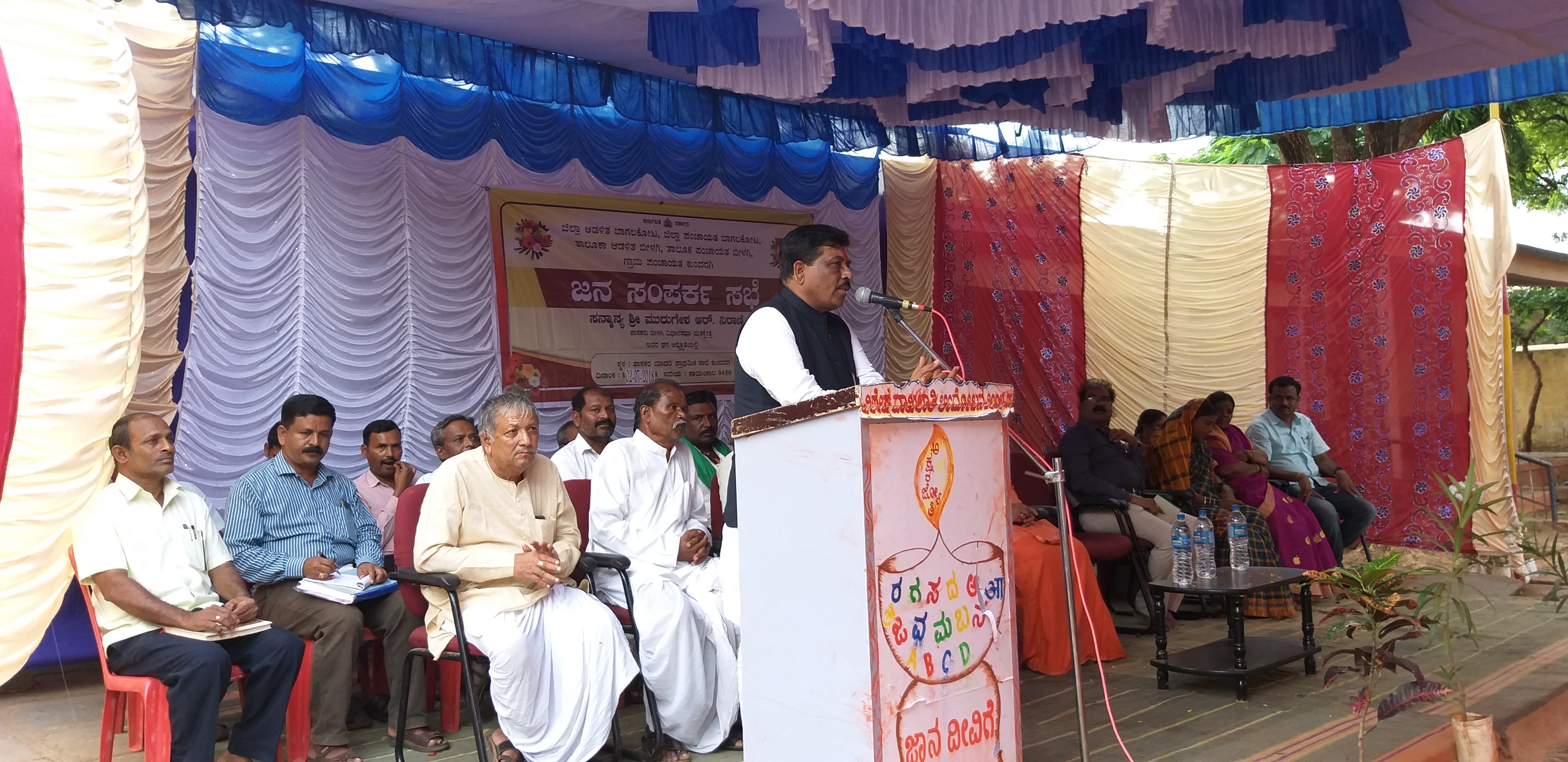
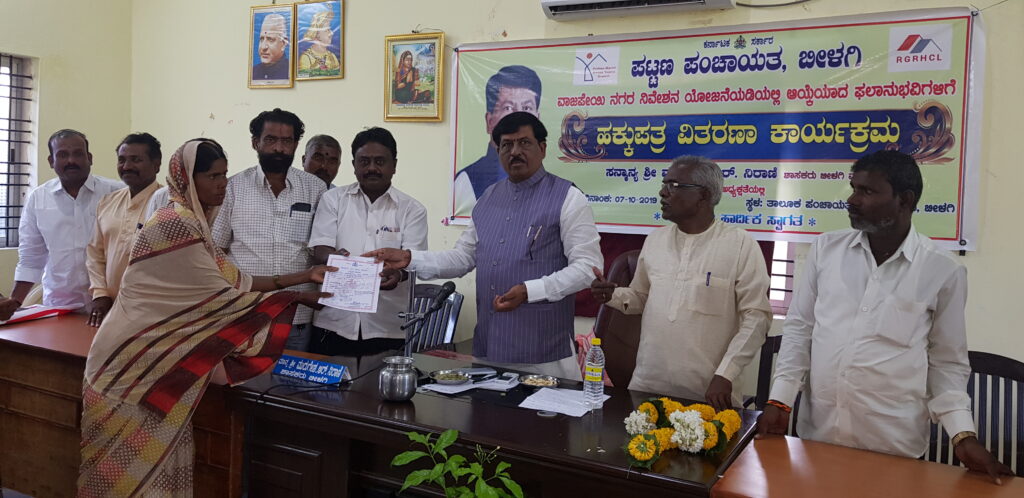
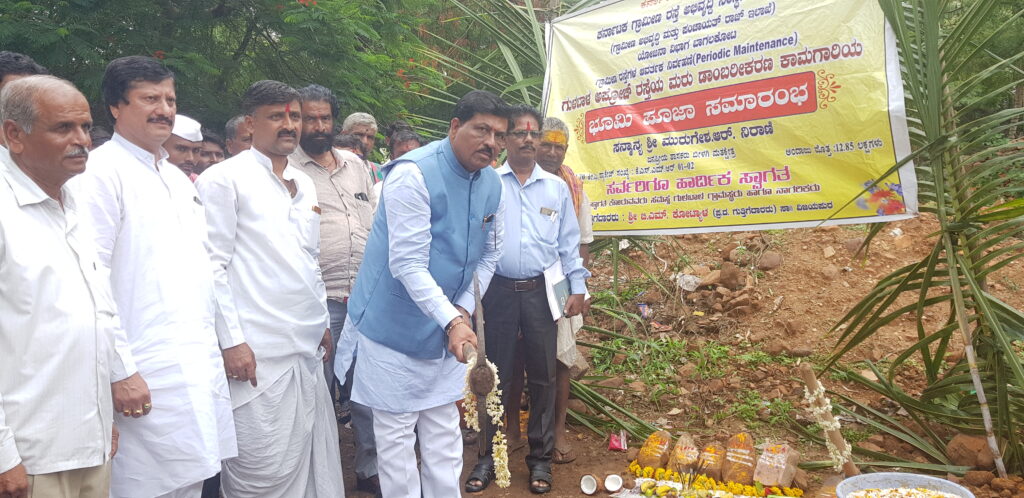
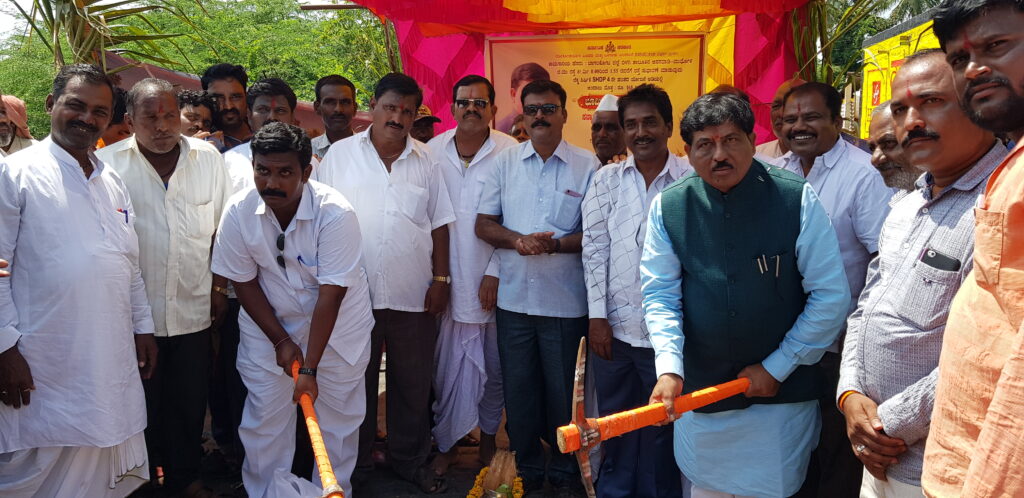
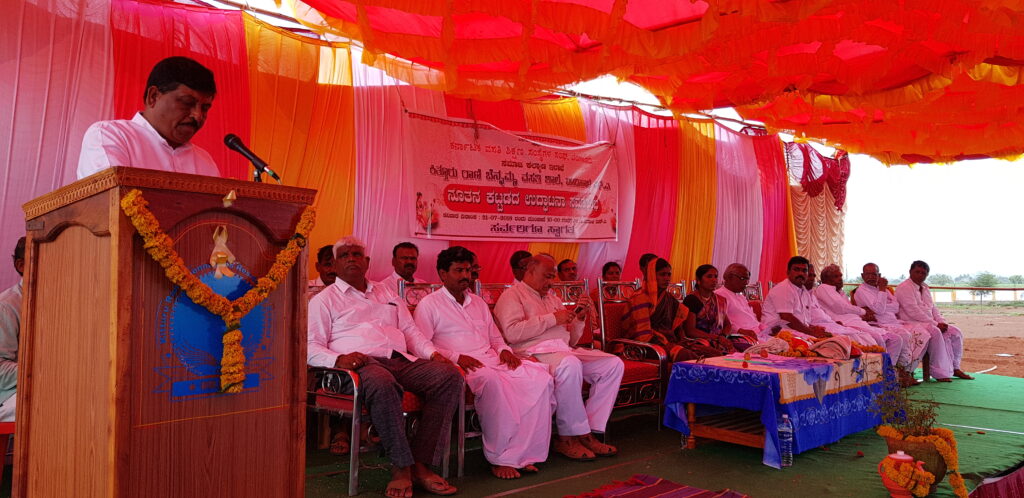
Generally, when examining history, two key elements have gained significant acceptance: success and failure. Whatever the field based on these two elements, be it business or protest movements, leadership is the primary reason. Therefore, leadership has been important from ancient times to the present day. Leadership is central in all fields, including political, social, economic, and administrative. Various experts have analyzed leadership theories in their own ways. These are as follows:
1. Great Man Theory of Leadership:
It is prominent among leadership theories. Leadership is not something created by birth. Some individuals are born with certain qualities. Human history itself has accepted leaders. Examples: Dr. B.R. Ambedkar, Nelson Mandela, Churchill, Napoleon, Mao, naturally became known as leaders. Leaders of this type are born with excellent qualities. This theory of great leadership does not have any scientific or experimental basis. It is an inherent quality and this theory is a speculative theory.
2. Situational Leadership Theory:
Proponents of this theory argue that leadership is specific and is a leadership theory created for a particular situation. Follett advocated for this type of leadership. The proponents of this theory believe that while a special nature and special skills are characteristics of good leadership, sometimes they vary depending on the situation or circumstances. A leader in one situation may not be able to be a leader in another situation. Situations influence leadership behavior. Cultural environment, differences between individuals, and differences within an organization are reasons why leadership success in a given situation depends on that particular situation. This theory suggests that leadership changes according to the situation. Managing such a situation appropriately is key.
3. Behavioral Leadership Theory :
Among leadership theories, the Behavioral Leadership Theory is a style of leadership that can be adapted to different situations. The proponents of this theory include Robert Tannenbaum, Warren, H.S. Midgley, among others. This theory is in contrast to the Trait Theory. While the Trait Theory explains what leaders are, the Behavioral Theory explains what leaders do. This theory posits that leadership is a contribution of an individual’s effective behavior. In the decision-making process, instead of controlling subordinates, it emphasizes motivation, harmony and leadership management emphasizes by giving importance to friendly and respectful relationships.
4. Goal-Path Leadership Theory:
This theory clarifies the leader’s goal and path. Its main proponent is Robert House. The leader’s behavior influences the morale and performance of subordinates. Key elements included are supportive leadership, participative leadership, directive leadership, achievement-oriented leadership. The purpose of this theory is that leadership behavior influences subordinates. The influence of goal and behavior factors is a means to achieve goals. In essence, it also brings about changes in leadership behavior according to the situation/context.
5. Charismatic Leadership Theory:
The theory of charismatic leadership is a concept that has existed since ancient times. It is the ability to specifically influence one’s followers based on an individual’s personal capacity, efficiency, and power. This theory is mentioned in ancient Greek political thought and the Bible, and in modern times, Robert House, while advocating this concept, based it on factors such as the behavior, nature, characteristics, performance, influence, capacity, and power of political and religious leaders. The performance of a leader and an ideological perspective are factors that express the leader’s charisma.
Overall, considering the above points, leadership is not just about holding power. The qualities required for that position are very important. A leader comes to power according to the situation/context. But what is most important are the basic qualities of a leader. Great theory, behavioral theory, and charismatic theory are the foundations of leadership theory. In chronological order leadership theories have changed, and it should be noted that some new theories have emerged.
Qualities of Good Leadership:
1. Knowledge
2. Firmness
3. Creativity and Vision
4. Driving Force
5. Courage
6. Hope/Trust
7. Honest Service Mindset
8. Servant
9. Should not be self-centered
10. Insight and Foresight
11. Self-awareness
1. Hope – Hope is important in all relationships in life. Similarly, trust is very important. This is because citizens follow the leader who rules them. Therefore, the leader must be careful. People should earn the trust of the people by placing faith in the leader and performing their duties responsibly.
2. Honest service mindset – A leader should honestly serve the people who have placed their trust in him. If there is a deviation in this matter, the leader loses the trust of the people.
3. A servant-Leader should serve their people in their work with the same importance they give to their personal life. As per Sarvagna’s Vachana, those who can truly work as servants possess all the qualities to become a king.
4. Do not be self-centered – A leader should not have the mindset that “I am superior and everyone should follow my orders.” Instead of acting according to their own wishes, a leader should gather information from the people on matters they are unaware of, select what is right from that information, and work for the benefit of the people. A leader’s fame one should search for it and come, not the leader should go. One should search for fame/glory.
5. Insight and Foresight – A leader must be careful in the work they do.They must possess the ability to think about what will happen next. Only leaders who have discernment regarding insight and foresight can succeed.
6. Self-awareness – When doing any public service work, one must act with great awareness. Otherwise, there is a possibility of losing people’s trust and creating problems for oneself. Therefore, it is very important for a leader to be aware.
7. Courage – A leader should be courageous not only physically, but also mentally. When making decisions, one should be courageous in understanding and making decisions about right and wrong matters.
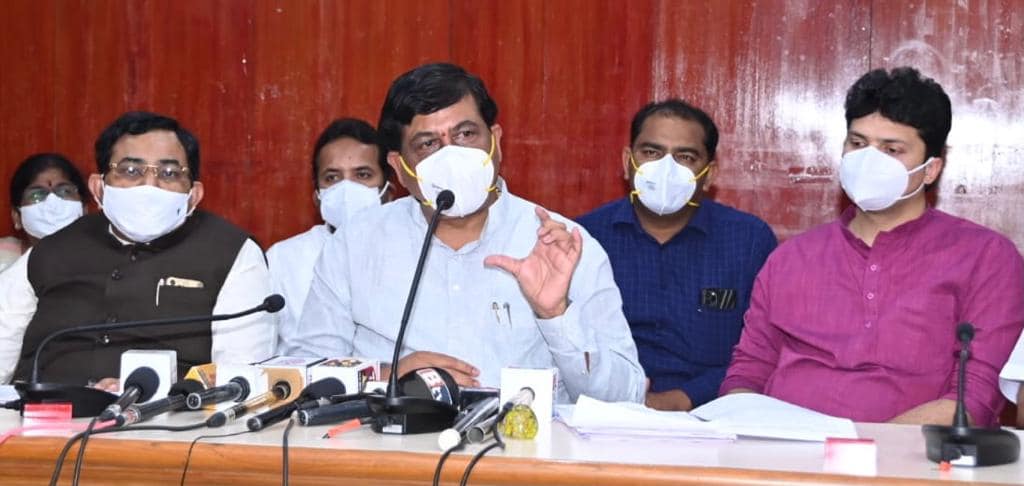
The points explained above are the qualities that leaders should possess in today’s democratic system. There is no doubt that a leader with these qualities will be successful. Similarly, Murugesh Nirani, with his lofty ideas, understanding, and perspectives, has become one of the influential, pro-people, and popular leaders.
Political entry/debut
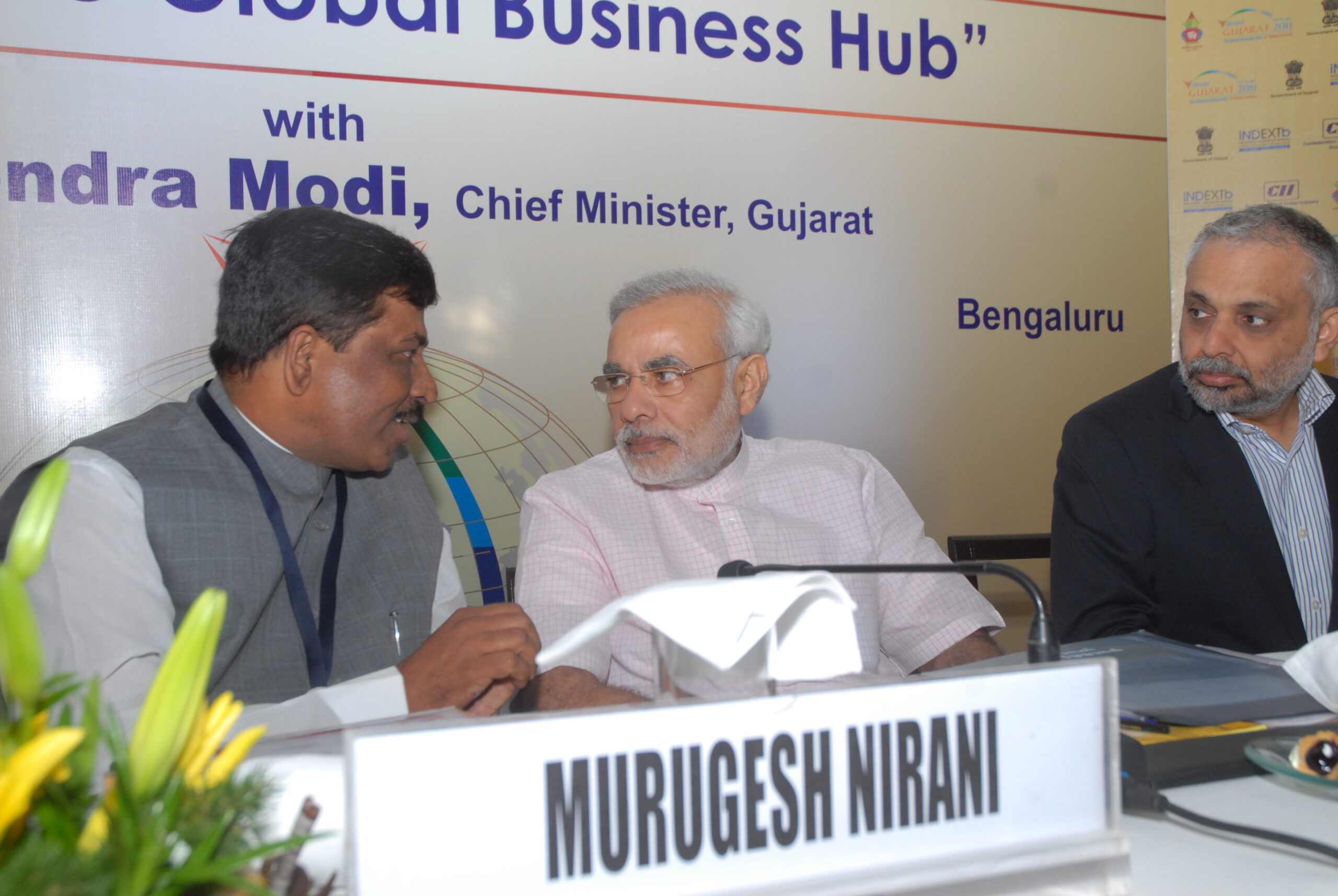
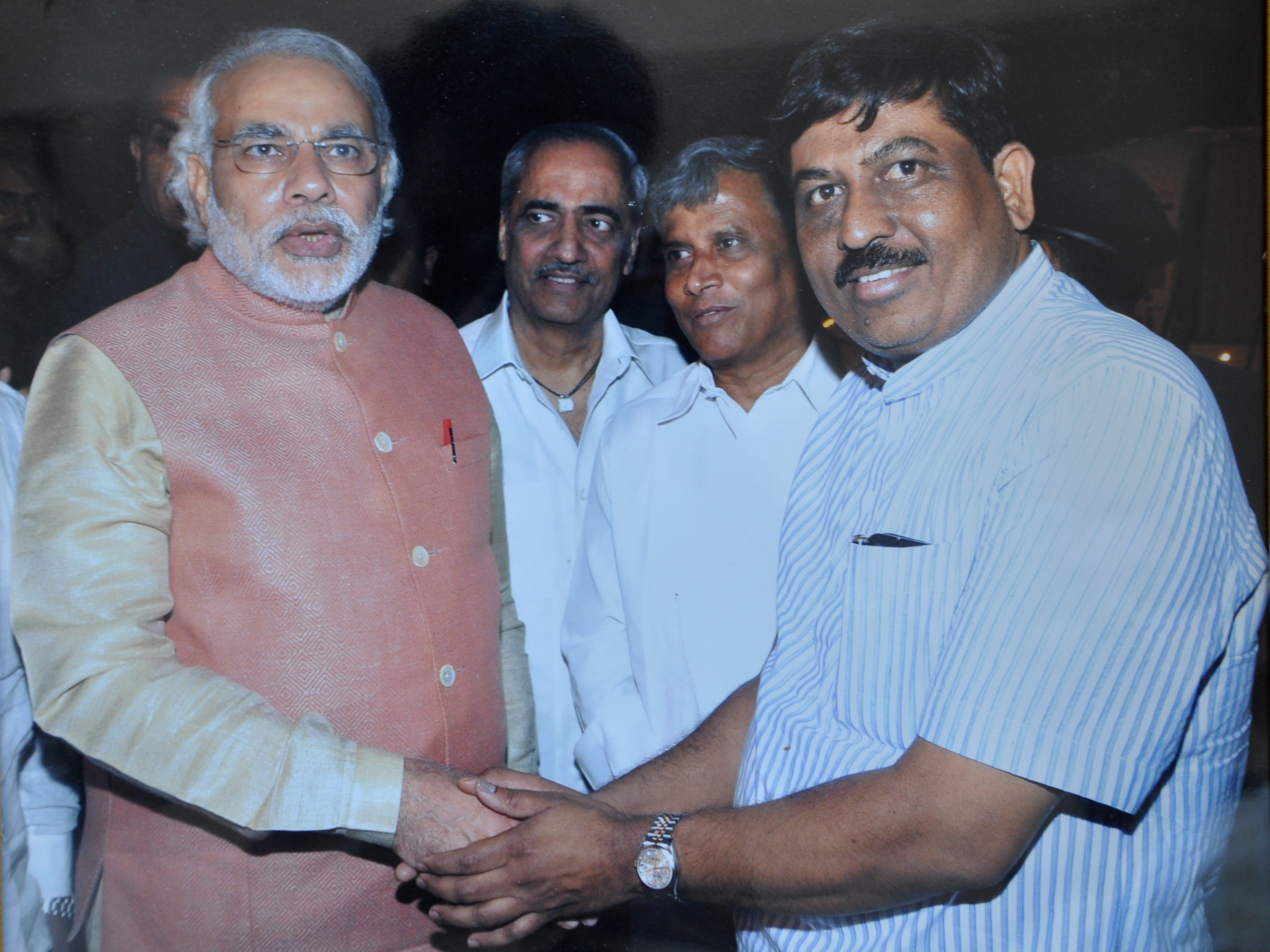
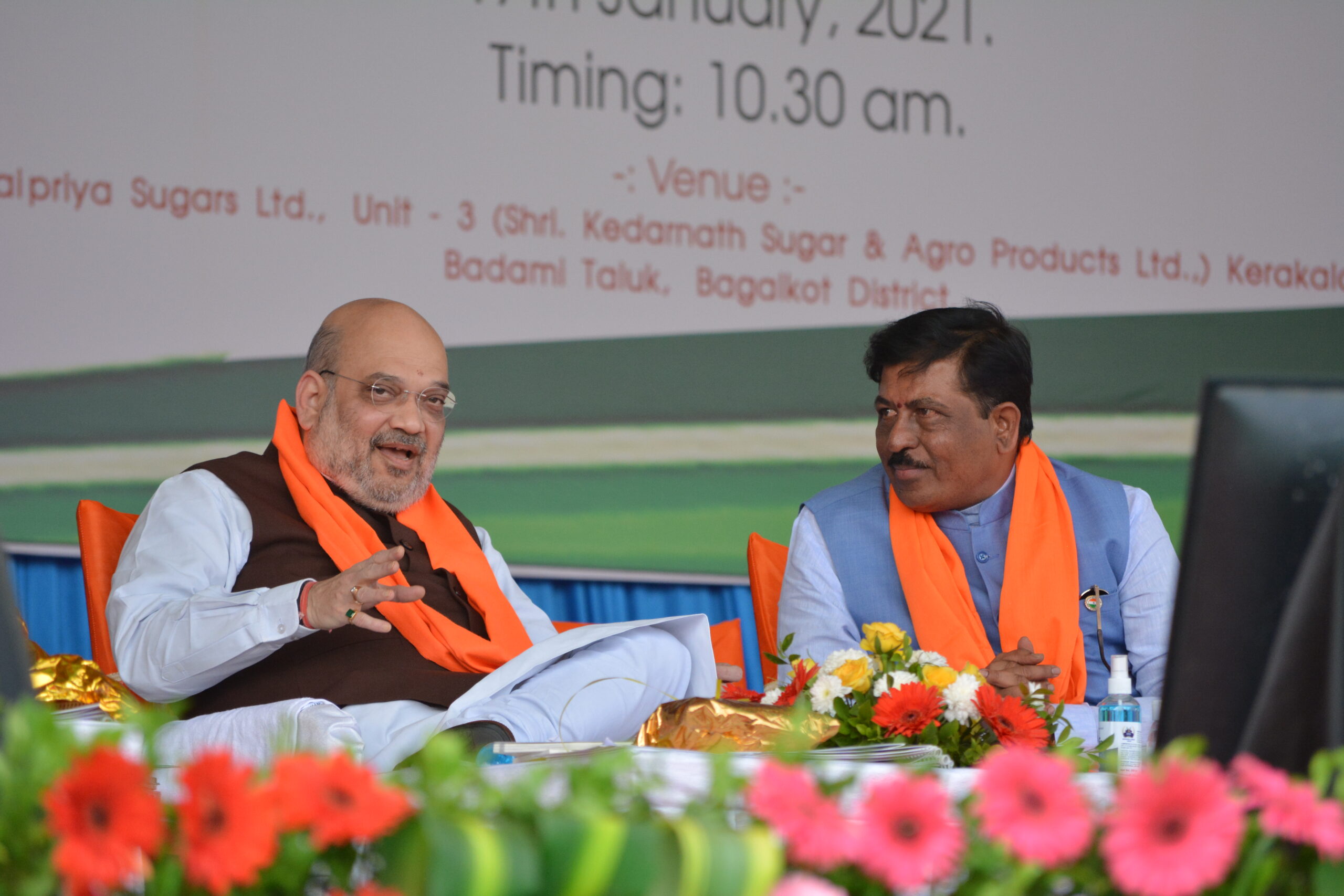
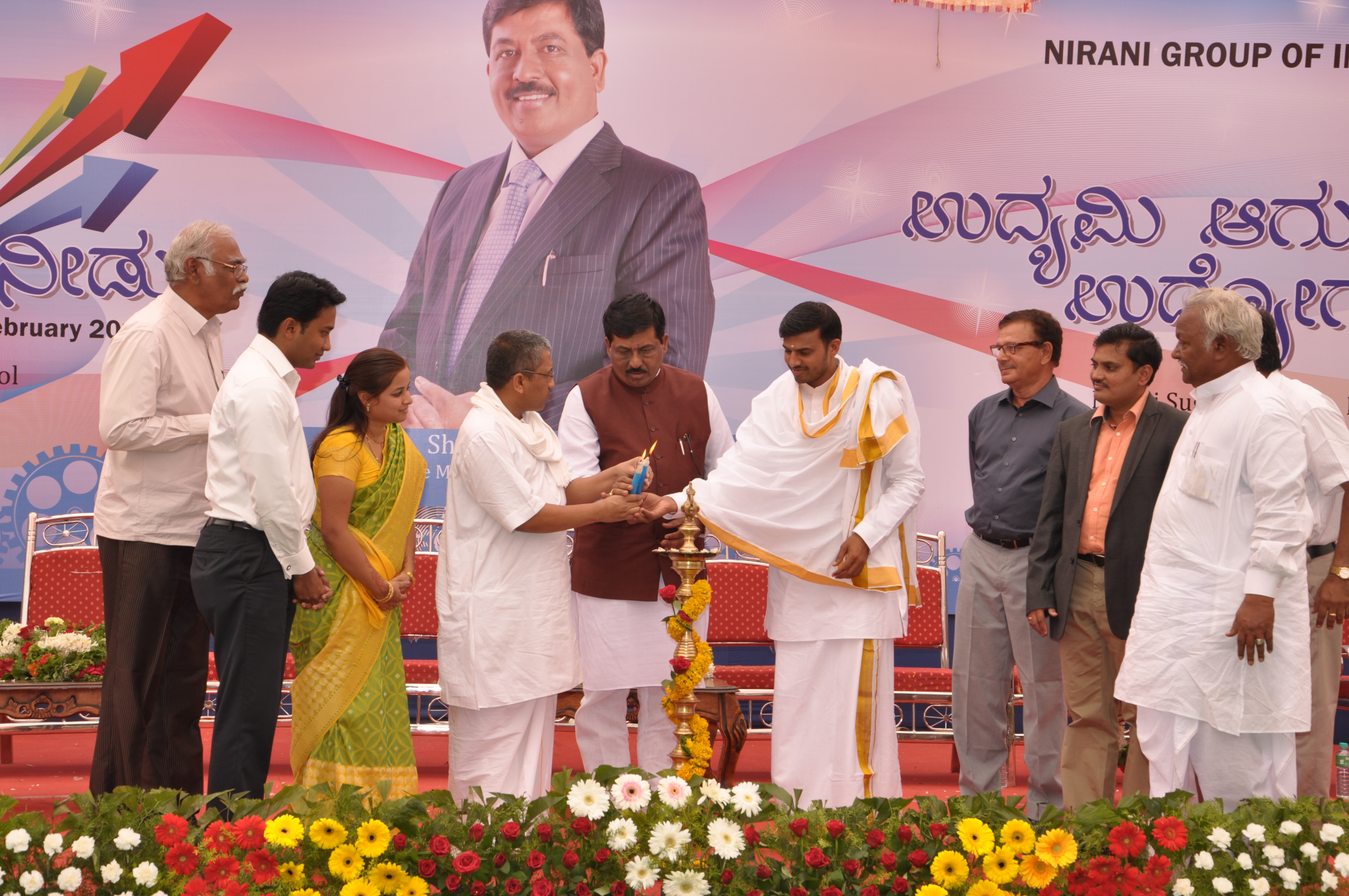
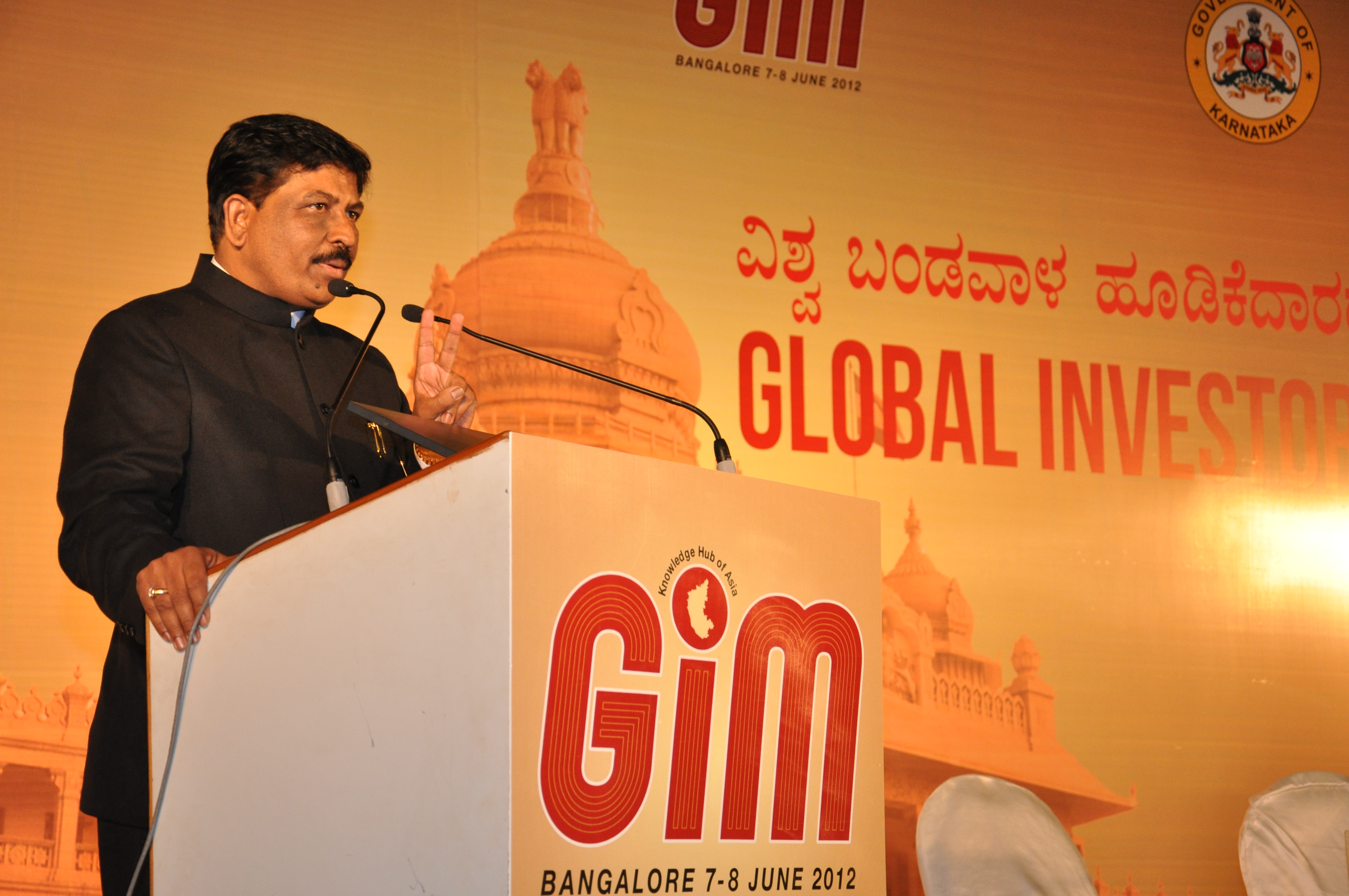
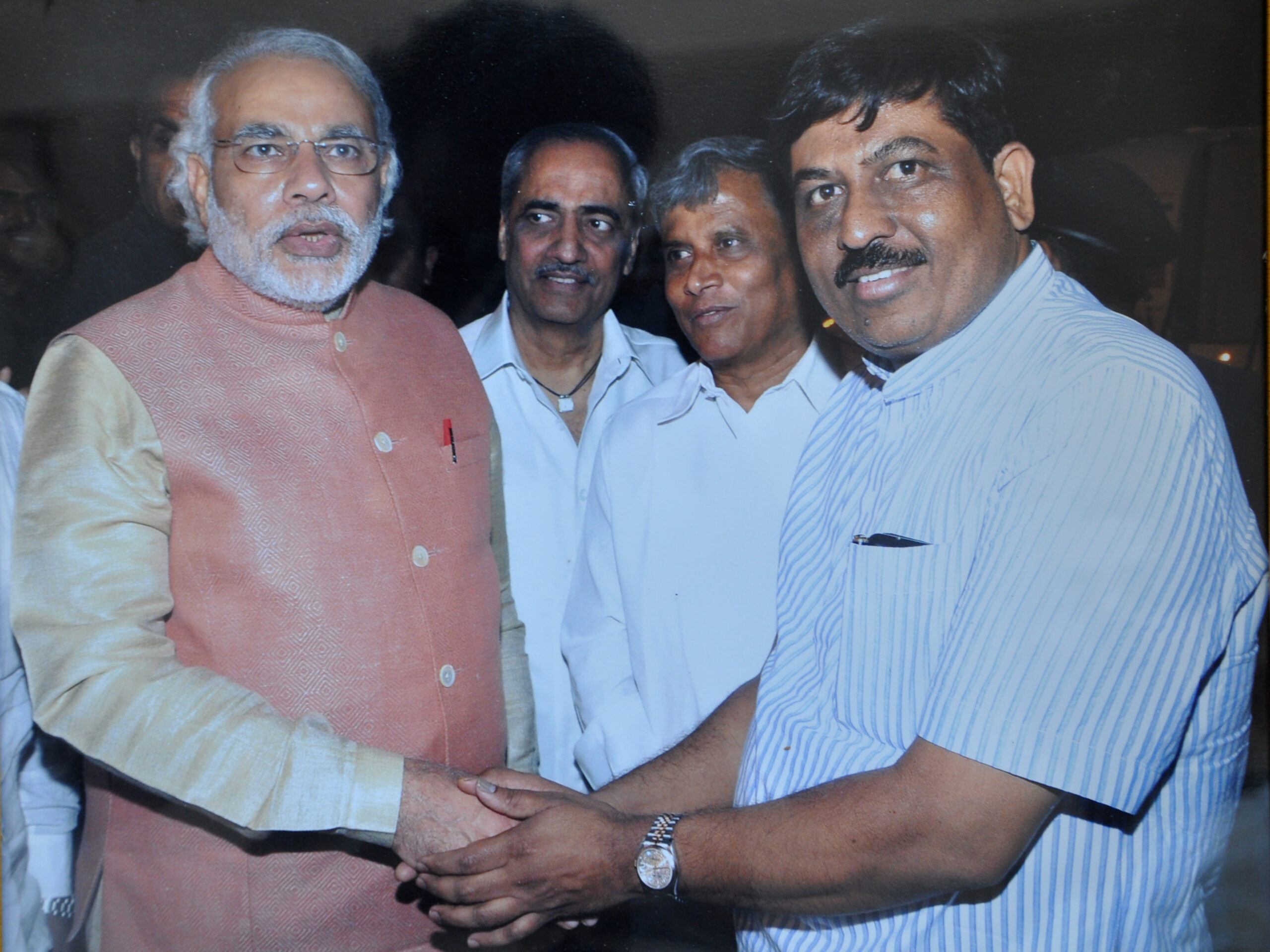
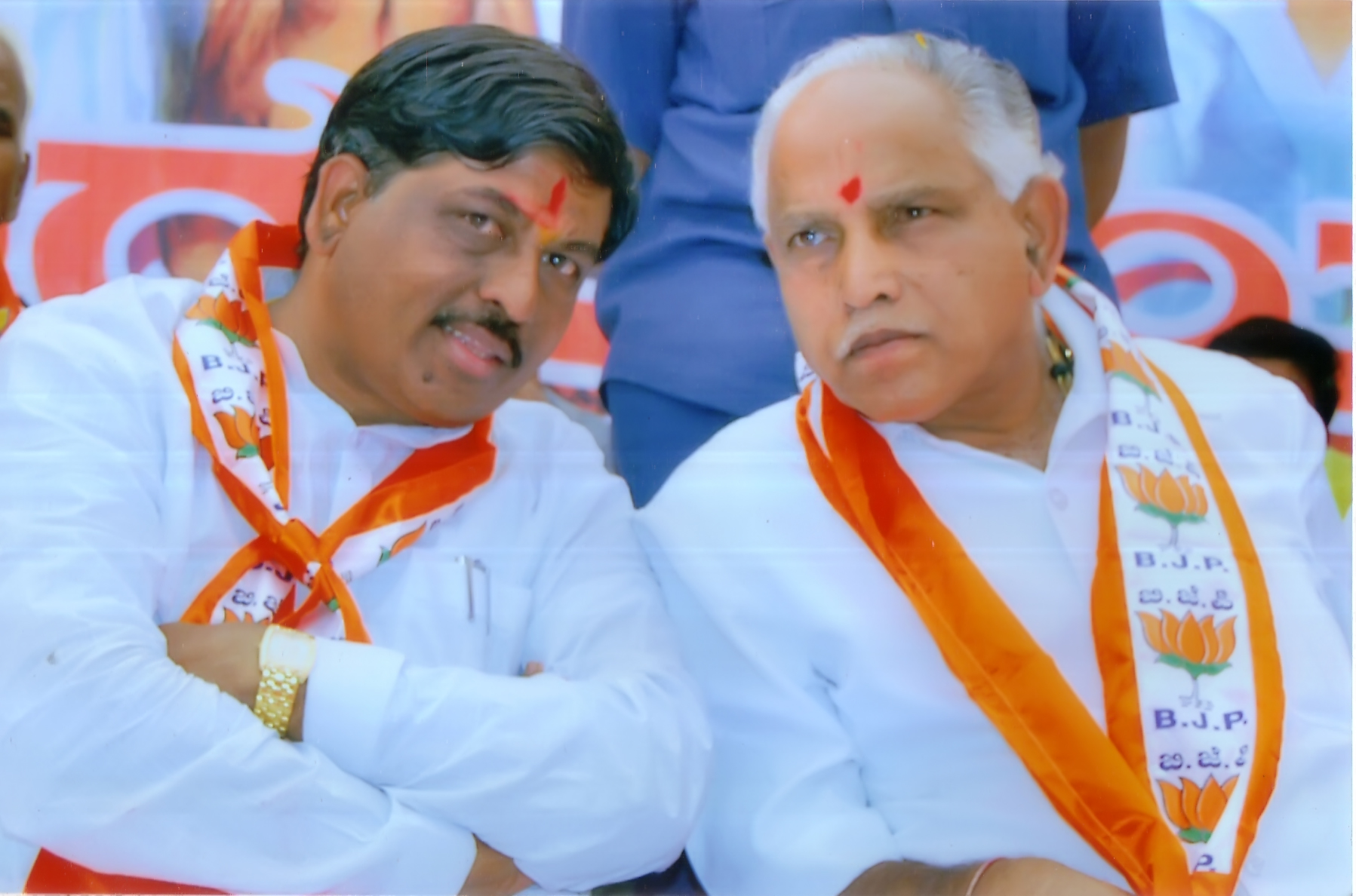
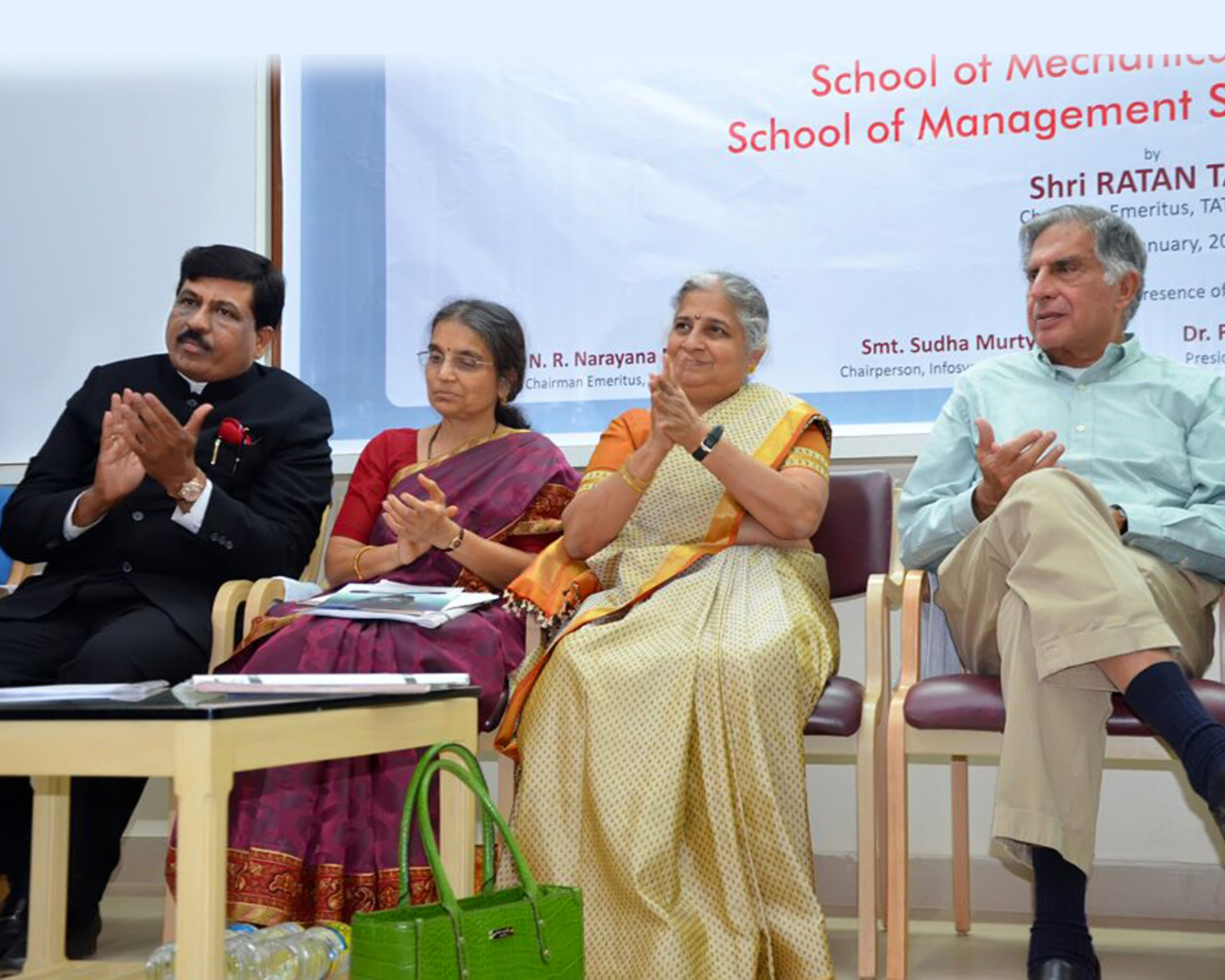
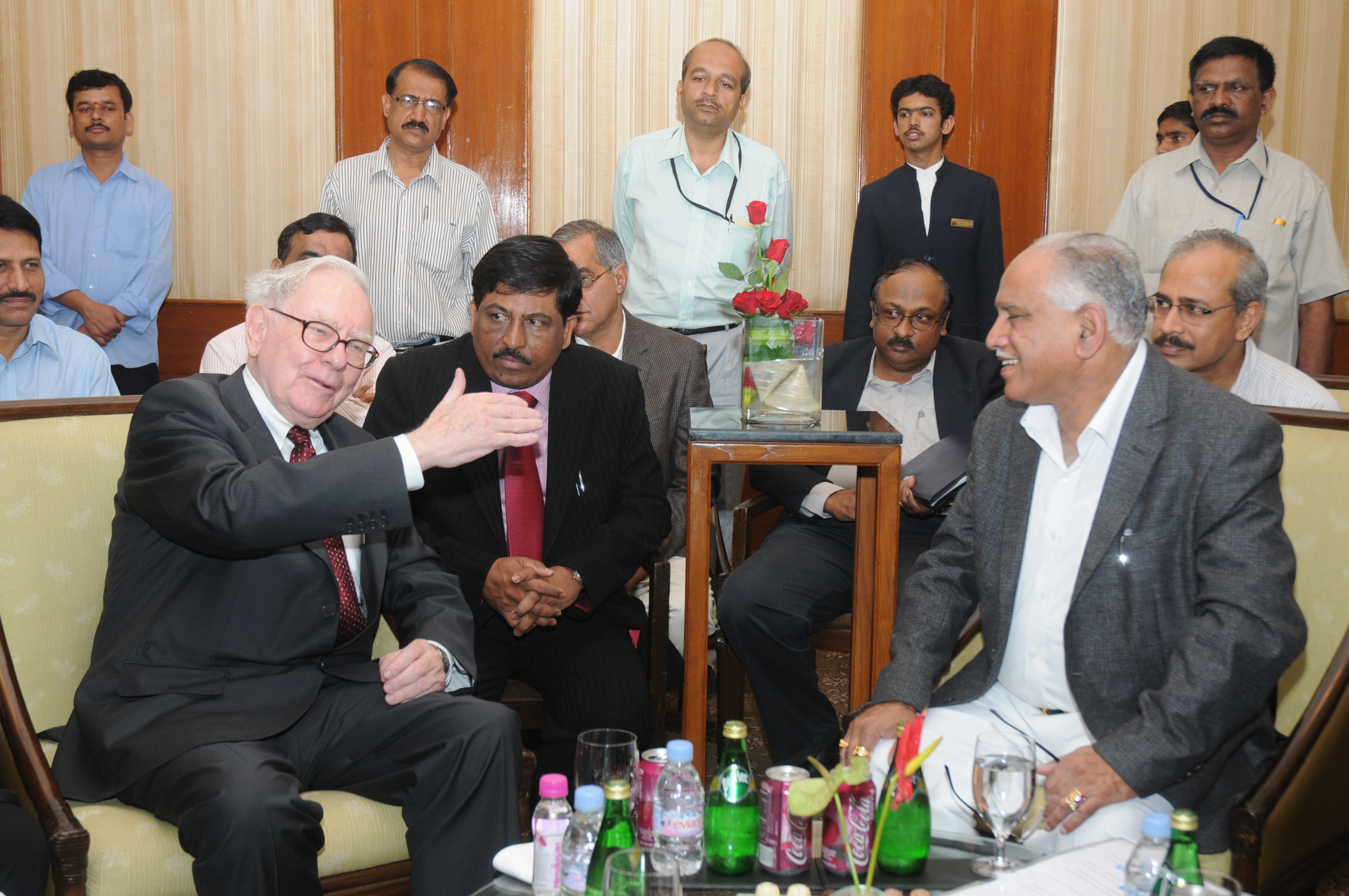
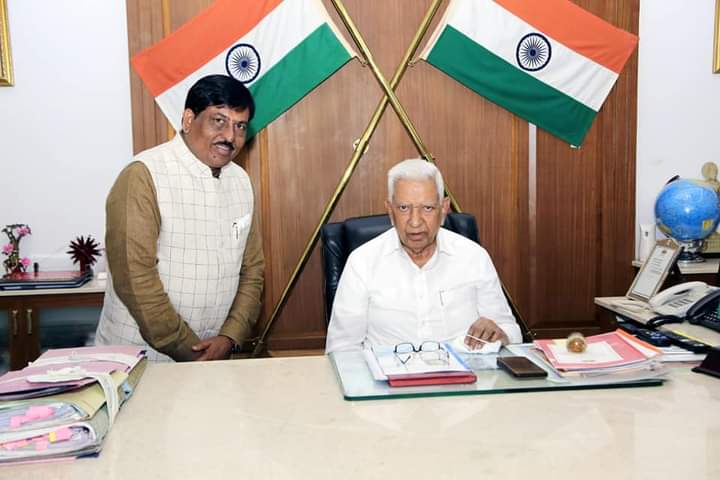
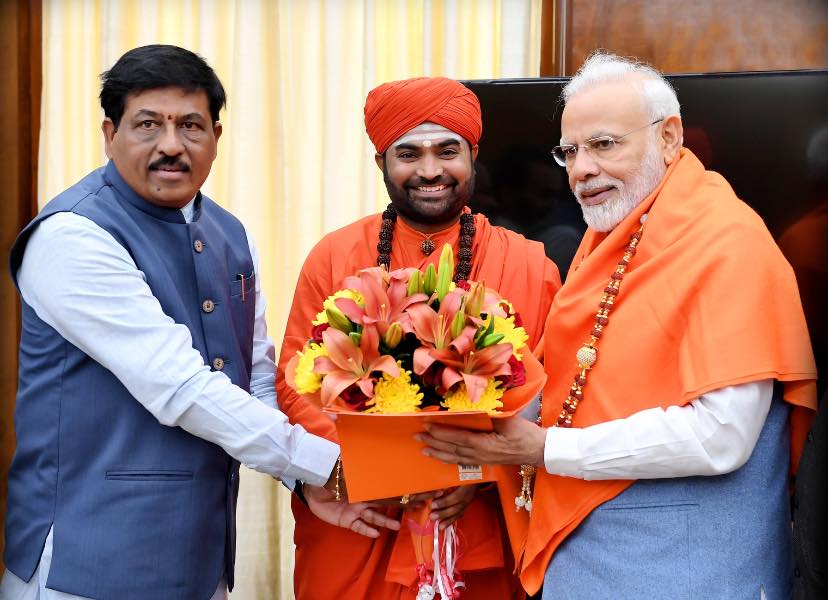
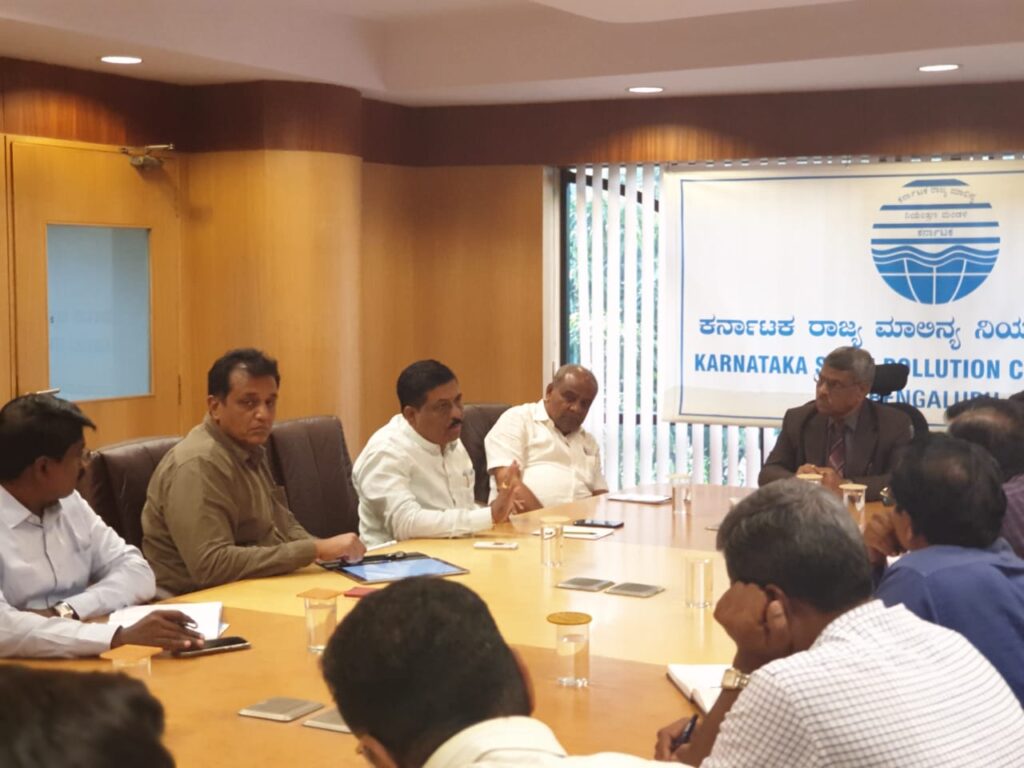
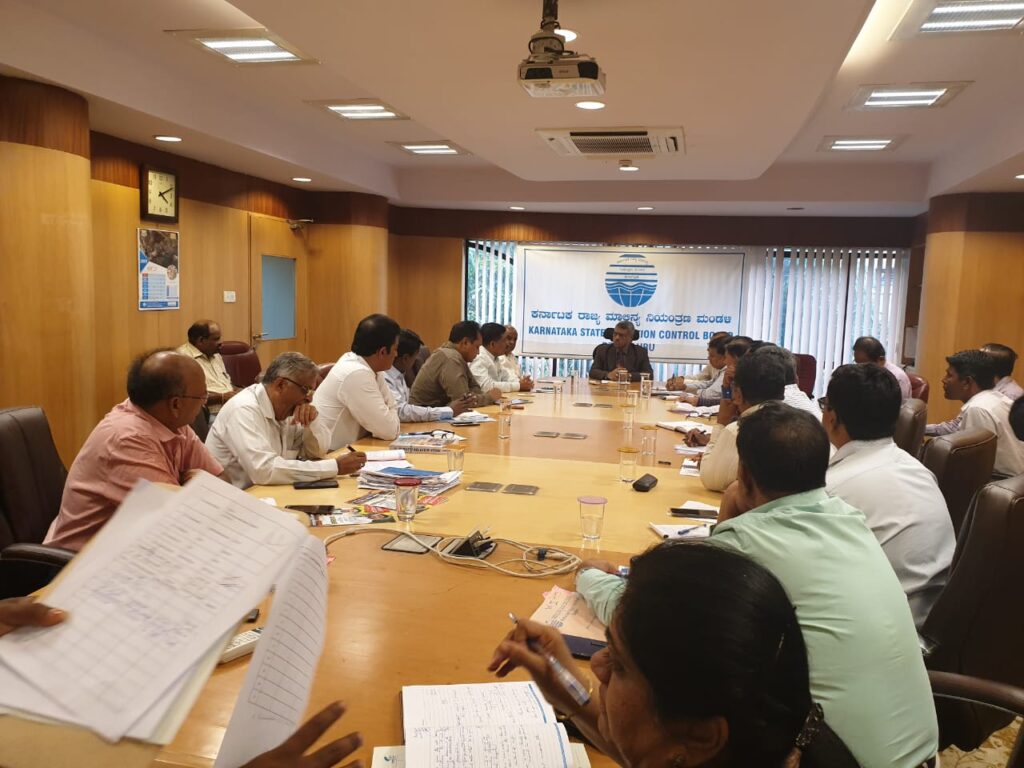
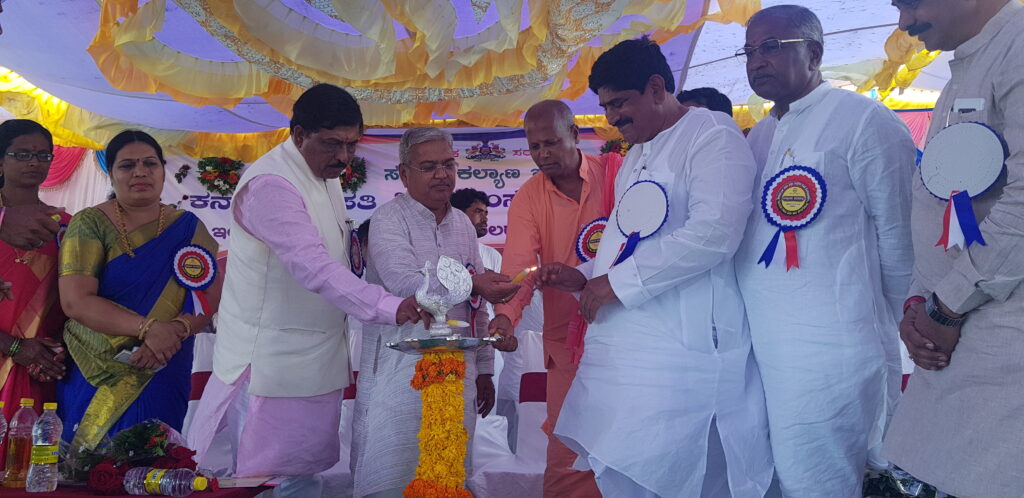
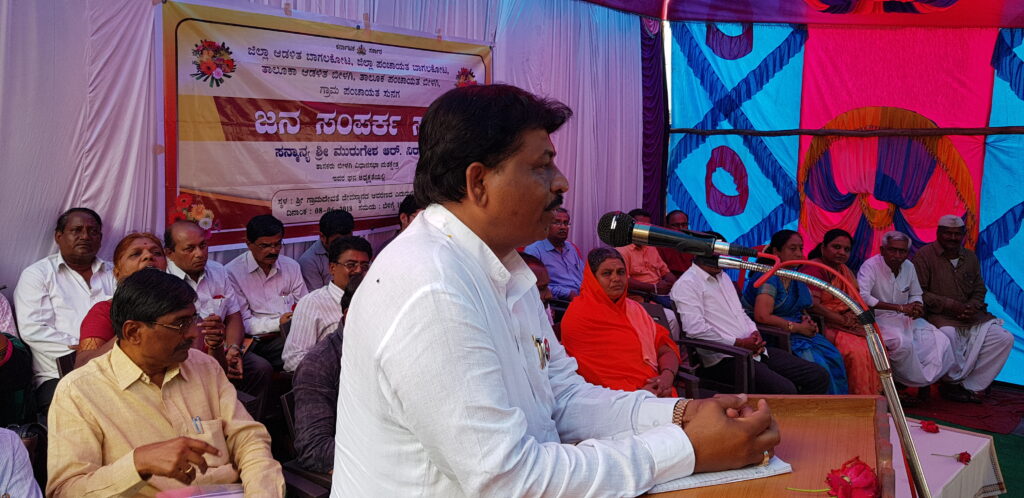
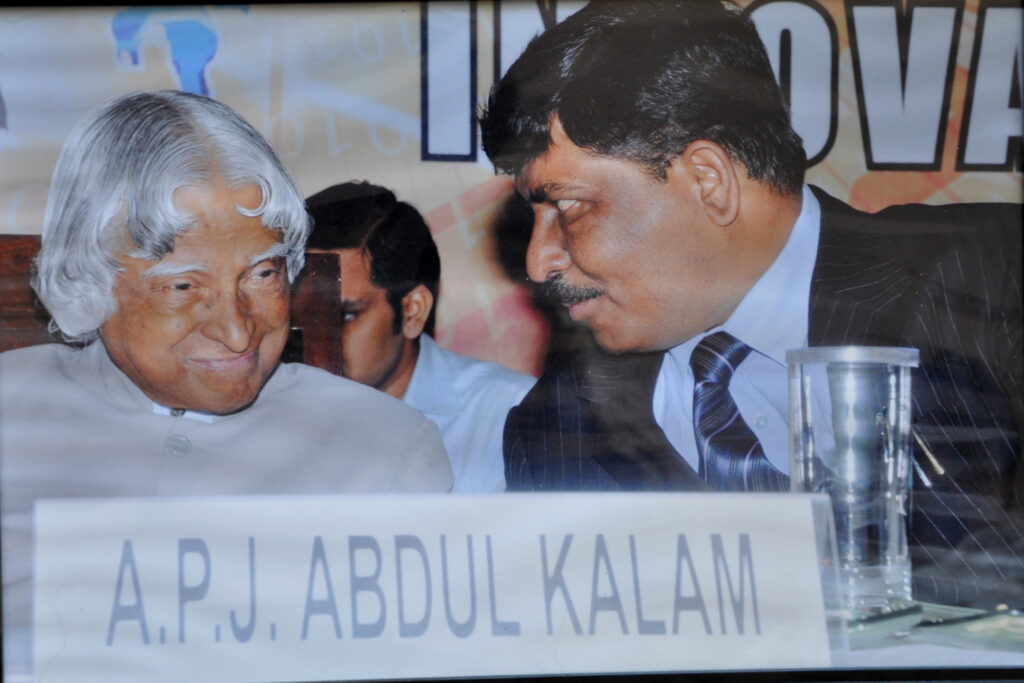
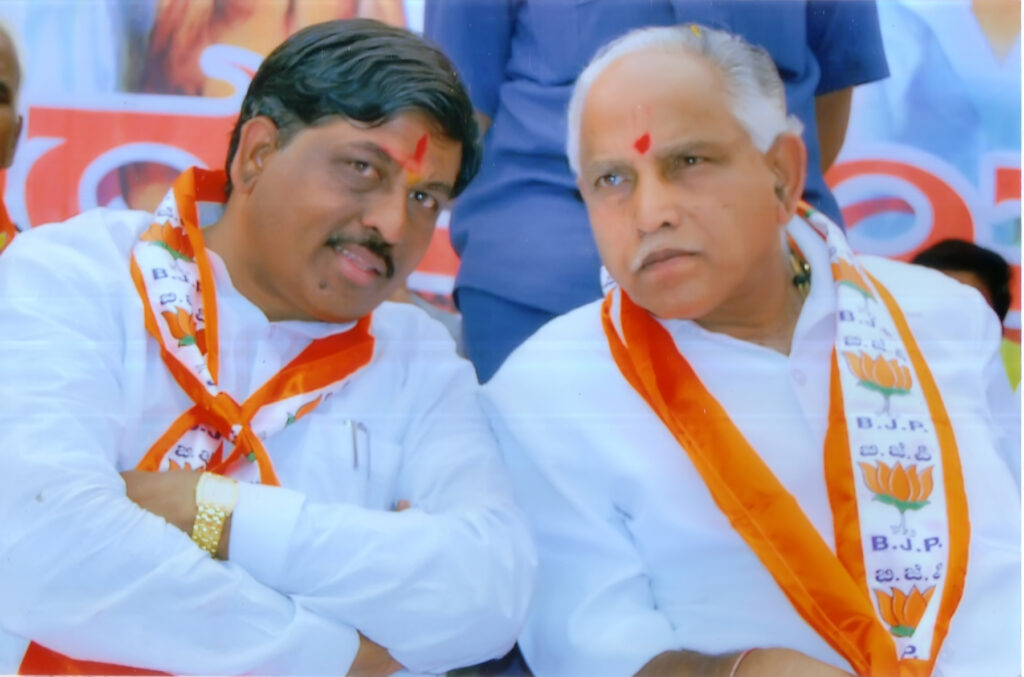
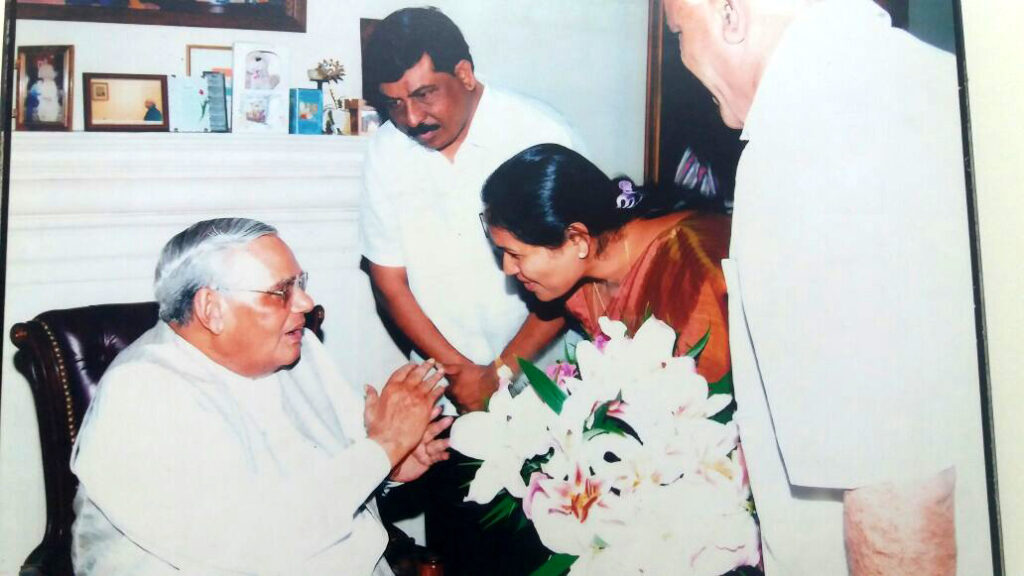
Murugesh R. Nirani’s entry into politics is a significant chapter in his life, marked by a strong family background, entrepreneurial success, and a deep commitment to public service. Born into a prominent agricultural family in Karnataka, Nirani was a diligent worker from a young age and was deeply influenced by the values of social service and leadership. These early influences, his educational achievements and they laid the foundation for the political field, coupled with the spirit of entrepreneurship.
Nirani’s political journey began in the administrative structures of the local community. There, he gained recognition for his work and leadership within his community. His success in the business world, especially in the industrial sector, provided him with the necessary credibility and visibility to pursue a political career. His ability to easily navigate both the business and political landscapes made him a respected figure in Karnataka.
Several incidents led to Murugesh R. Nirani’s entry into politics. These include the indifference shown by leaders, the insults faced, and a noble desire to achieve success by dedicating himself to a political life. This led him to join the Bharatiya Janata Party, becoming the District President of the Youth Wing, then the Bagalkot District President, and formally marking his entry into politics by being elected as a member of the Karnataka Legislative Assembly (MLA) from the Bilagi constituency. This victory was not just a personal milestone but also a reflection of the trust and faith placed in him by the people of his constituency. During his tenure as an MLA, Nirani focused on development in areas such as infrastructure, industrial growth, and job creation, thereby successfully strengthening his political base.
Murugesh Nirani’s steps of success
1. 1993-2000: Bagalkot District Youth Morcha President.
2. 2001-2004: Bagalkot District BJP President.
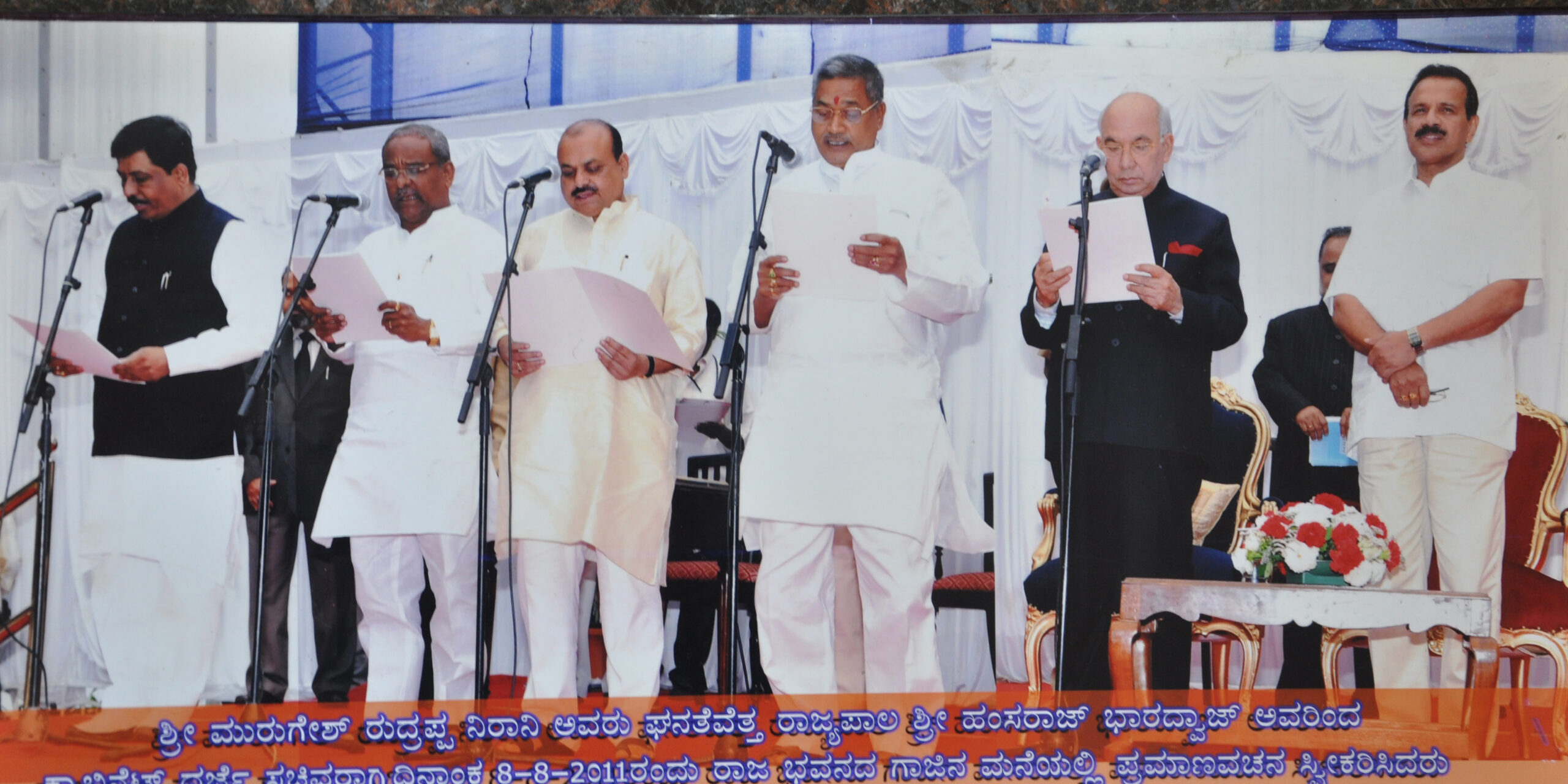
3. 2004: First time MLA of Bilagi.
4. 2004-05: Member of the State Legislative Assembly.
5. 2008: Minister for Large and Medium Scale Industries in Shri B.S. Yeddyurappa’s Government.
6. 2013-14: State Convener of the Sardar Vallabhbhai Patel Statue Iron Collection Committee.
7. 2018: Re-elected as Bilagi MLA.
8. 2021: Minister for Mines and Geology in Shri Yeddyurappa’s Government.
9. 2022: Minister for Large and Medium Scale Industries in Shri Basavaraj Bommai’s Government.
10. 2023: Vice President of Karnataka State BJP.
Political Achievements
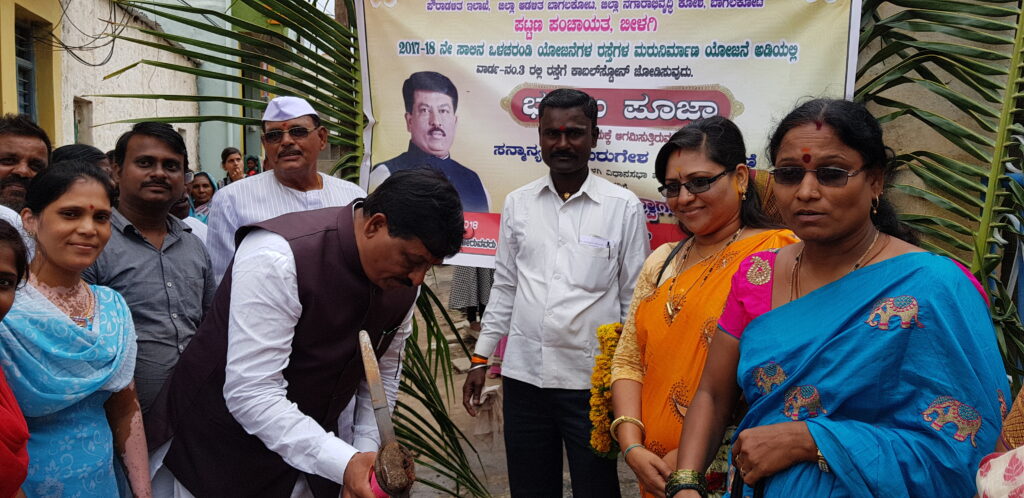
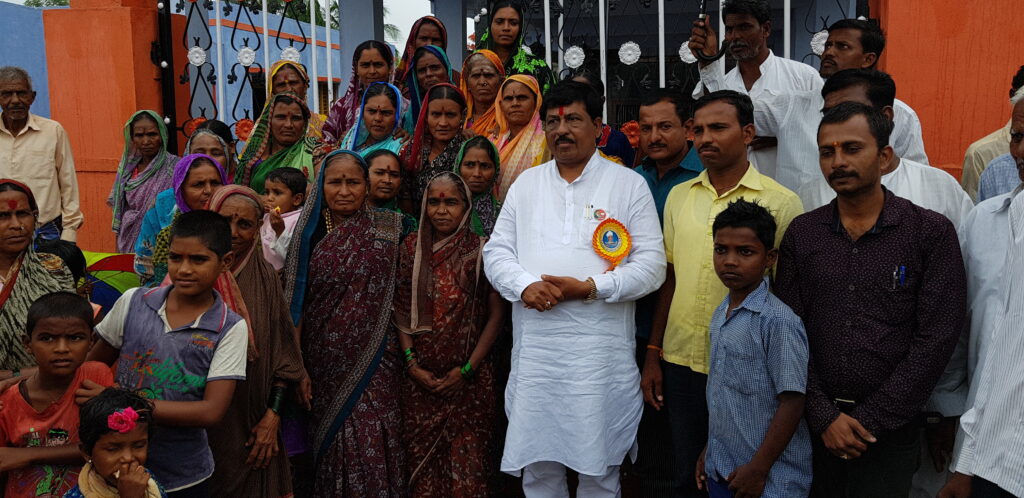
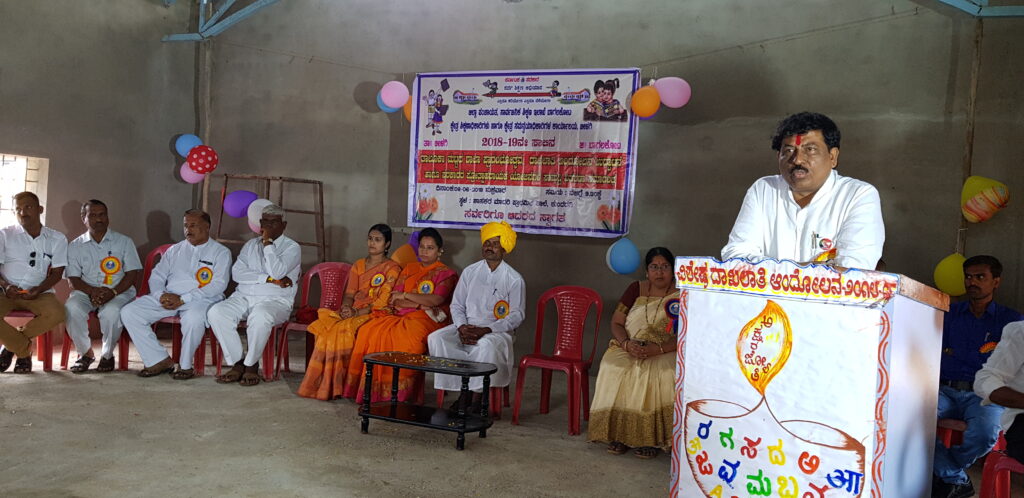
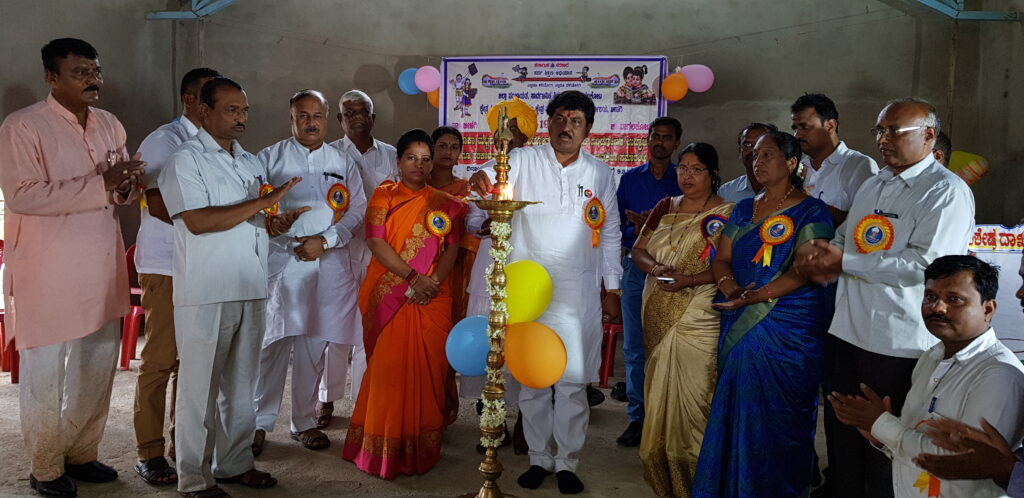
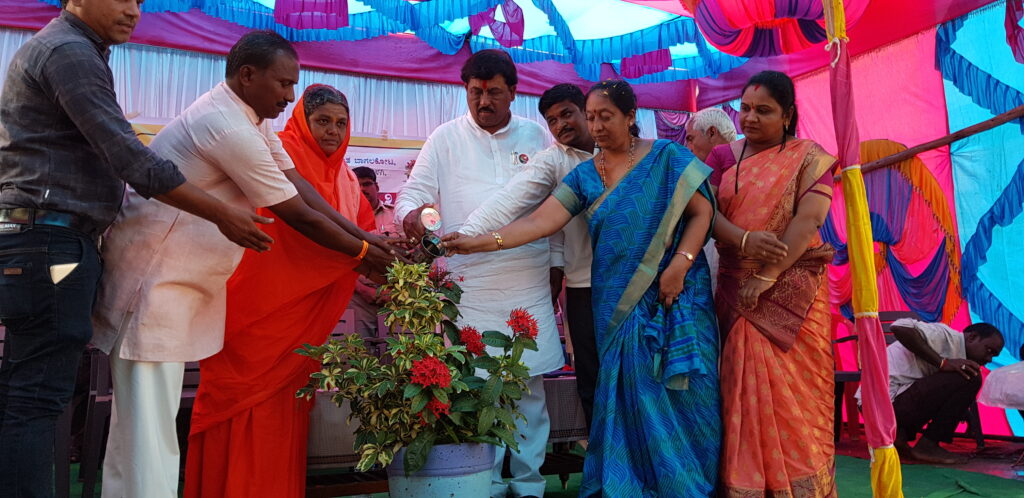
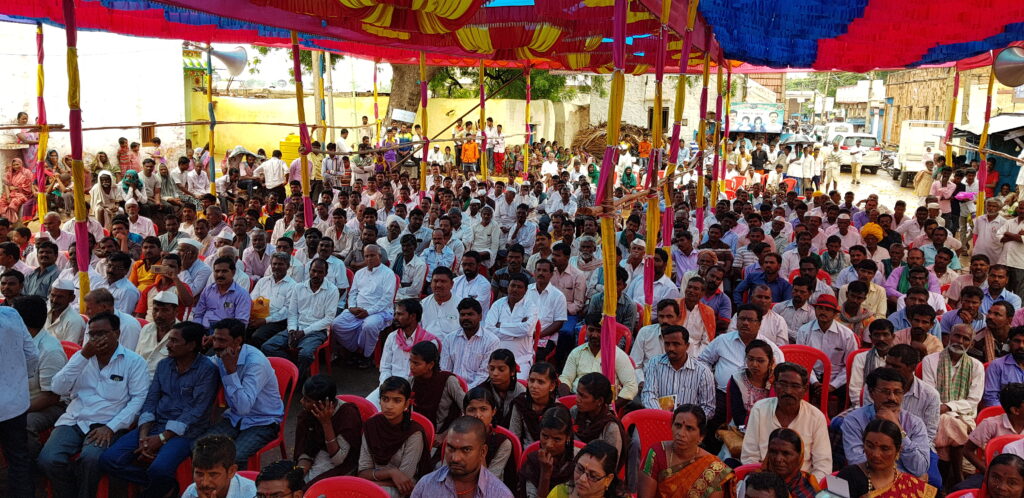
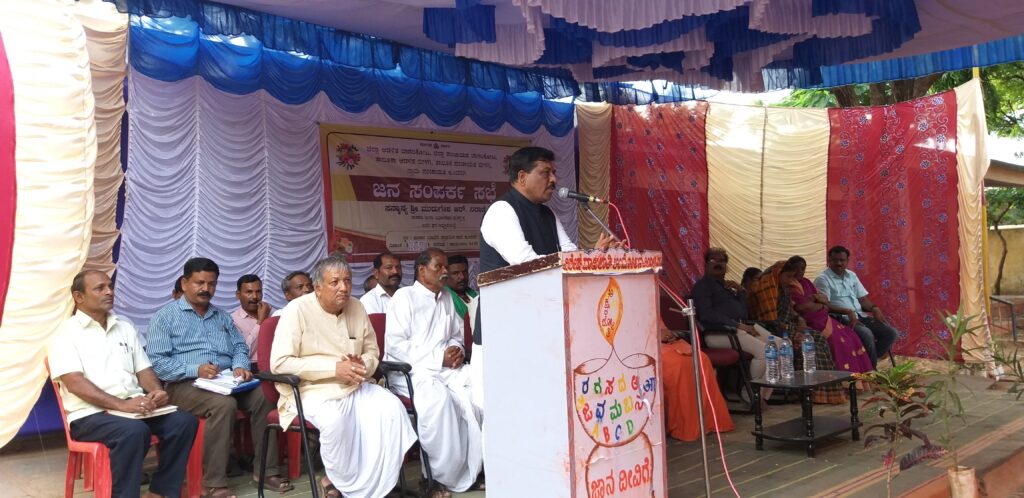
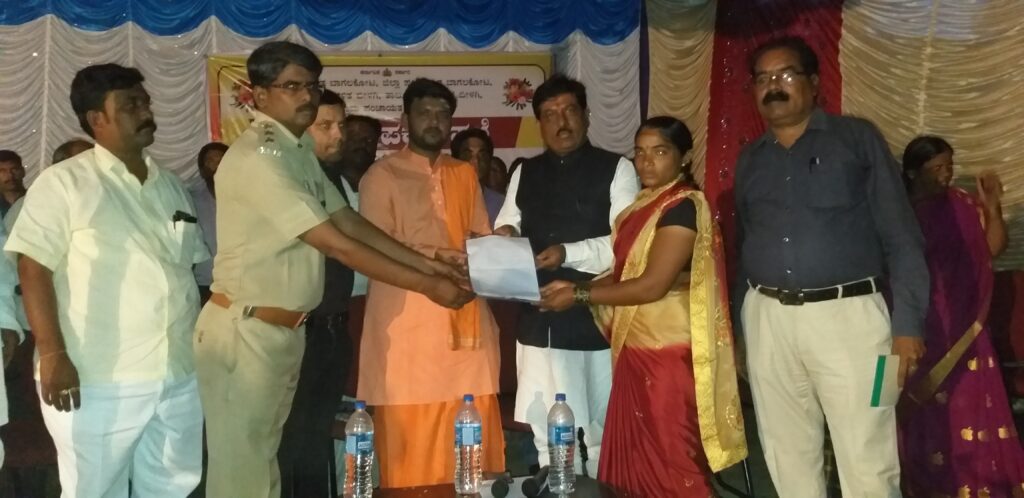


Murugesh, who entered politics as the BJP Yuva Morcha President, gained popularity in the party with his organizational skills, love for the people of the constituency, and support of their trust. He served as the President of the Bagalkot District BJP. During this period, he worked tirelessly to ensure the victory of party candidates in all constituencies of the district, making Bagalkot the first district in the state to achieve this feat. In the 2004 assembly elections, he contested from the Bilagi constituency and entered the Vidhan Soudha as an MLA for the first time. After 2004, he continuously worked on several projects for Bilagi Taluk and strived to bring progress to the taluk.
Murugesh R. Nirani’s entry into politics may have been primarily influenced by several factors, including the indifferent attitude shown by leaders, the humiliation faced, and the invitation from many well-wishers urging him to enter politics. In 1998, he was forcibly inducted into the BJP. Not only that, his name was also included in the list of BJP candidates for the Bagalkot Lok Sabha constituency. It was also understood at the Delhi level that he was a capable candidate. However, due to seat adjustments with the Lok Shakti party at that time, Ajaykumar Saranayak contested from the Bagalkot constituency as a Lok Shakti candidate.
Works done as the Minister of Large and Medium Industries of the State
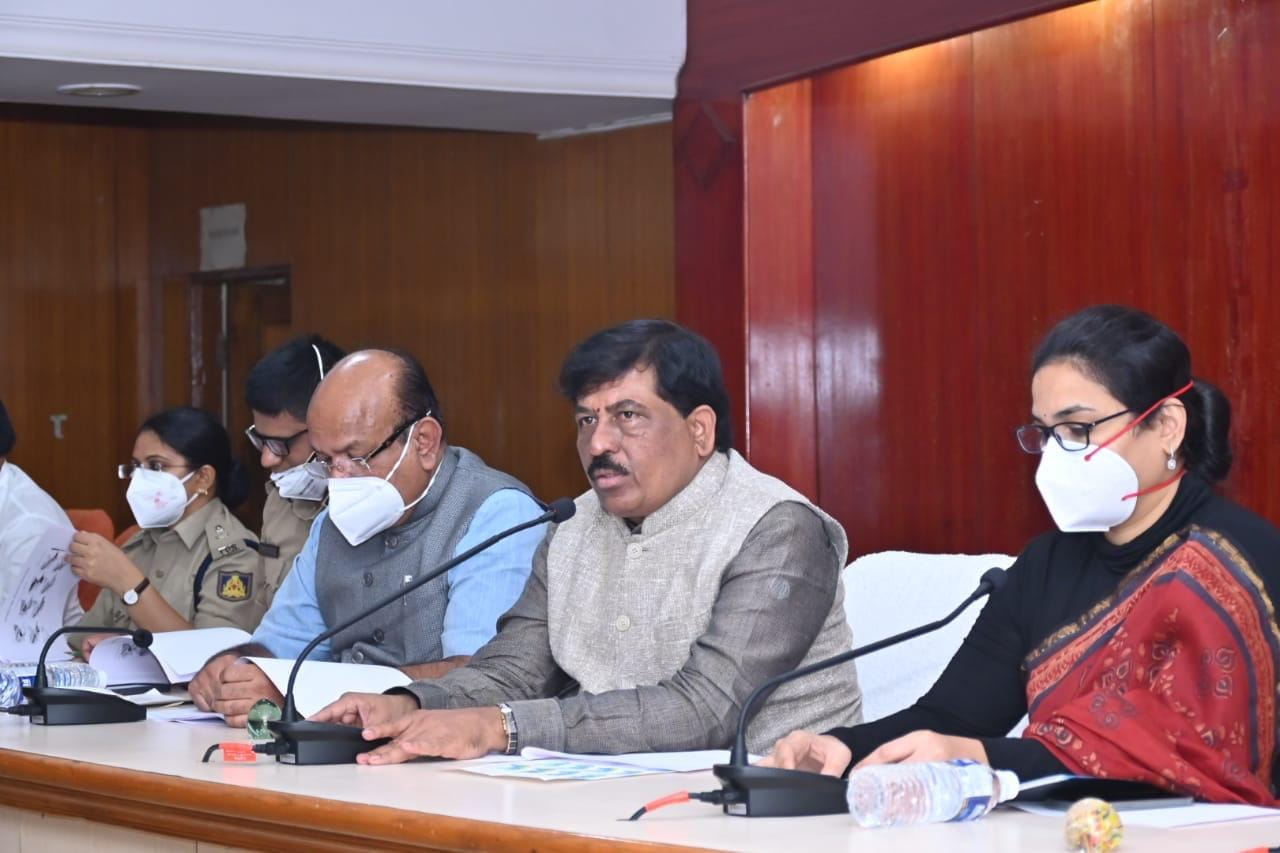
Murugesh R. Nirani, an experienced person who has run many industries like sugar factory, cooperative bank, cement factory, etc. It is no accident that he was given the responsibility of the Ministry of Industries. Everyone must agree that this position was obtained due to his experience and hard work. He completed five years as the Minister of Large and Medium Industries in the state for the first time, and then completed another two years from 2021 to 2023. In these 7 years, he has given a new dimension to the industrial sector of the state. The revolutionary steps that began with the formation of the new industrial policy have led to the creation of lakhs of jobs in the state, the inflow of lakhs of crores of investment into the state, and contributed to the development of the state.