M.N’s major contributions :-
Murugesha R. Nirani, a prominent political leader and industrialist of Karnataka, played a significant role in shaping the industrial sector of the state. His contributions have not only promoted economic growth but also social welfare by creating employment opportunities, improving infrastructure and overall raising the standard of living of the people. Nirani’s vision and initiatives in the industrial sector have played a major role in transforming Karnataka into a hub of industrial activity and thereby contributing to the welfare of the state.
Perspective of industrial development :-
Nirani’s approach to industrial development is rooted in the belief that a robust industrial sector is crucial for the economic and social progress of any region. His vision was to create an environment conducive to industrial growth. This would create employment. raise income levels and uplift the socio-economic status of the people. To achieve this, he focused on developing policies and infrastructure that would attract investments and support the growth of industries in Karnataka.
Major Contributions :-
●Formulation and implementation of industrial policies :-
One of Nirani’s significant contributions was to formulate progressive industrial policies to promote investment and facilitate the establishment of industries in Karnataka. As Minister of Large and Medium Scale Industries, he played a key role in formulating policies that encouraged investors. He also simplified regulatory procedures and provided necessary infrastructural support.
A prime example of this is the introduction of the New Industrial Policy 2009-14 under Nirani. The policy aimed to attract investments by offering benefits such as tax exemptions, subsidies and access to land at concessional rates. It emphasized the development of industrial clusters and Special Economic Zones (SEZs). This became a major driver of industrial growth in the state.
●Industrial infrastructure thinking :-
Nirani understood that infrastructure development was essential for industrial growth. During his tenure, he spearheaded the establishment of several industrial parks and SEZs across Karnataka. These industrial zones were equipped with world-class facilities including roads, water supply, electricity and communication networks, making them attractive destinations for domestic and international investors.
One of the most notable schemes was the Karnataka Industrial Areas Development Board (KIADB), which facilitated the acquisition and development of land for industrial purposes. The establishment of industrial zones like Vasanth Narasapura Industrial Area in Tumkur and Narasapura Industrial Area in Kolar is a testament to his commitment to creating a thriving industrial environment in the state.
●Encouragement of the Public-Private Partnerships (PPP) movement :-
Nirani was a strong advocate of public-private partnerships (PPP) as a means of promoting industrial growth. He believed that collaboration between the government and the private sector would leverage the strengths of both. This would lead to more effective and developmental projects. Under his leadership, several PPP initiatives were launched, especially in the infrastructure and industrial sectors.
The development of the Bangalore-Mumbai Industrial Corridor (BMIC) is one such example. This ambitious project aims to develop a high-tech industrial corridor between Bangalore and Mumbai. It will facilitate economic growth and job creation along the route. Nirani’s efforts in promoting PPPs have also supported the establishment of power plants to ensure stable and reliable power supply to the energy sector and industries.
●Skill development and job creation :-
Recognizing the need for a skilled workforce to support industrial growth, Nirani laid great emphasis on skill development. He initiated several programs aimed at enhancing the skills of the local workforce to ensure that they were equipped to meet the demands of modern industries. These programs focused on technical training, vocational education, and entrepreneurship development.
The impact of this approach is evident in the increased employment opportunities in Karnataka, especially in the manufacturing and service sectors. By providing the necessary skills and training, Nirani’s programs helped reduce unemployment and underemployment. Contributed to the overall welfare of the state’s population.
●Attracting Foreign Direct Investment (FDI) and formulating strategies :-
Nirani’s efforts to make Karnataka a favorable destination for investment extended to attracting Foreign Direct Investment (FDI). He played a crucial role in organizing and promoting events like the Global Investors Meet (GIM), which brought together investors from all over the world to explore opportunities in Karnataka.
This approach has been successful, with FDI inflows into the state increasing significantly during his tenure. With investments flowing into sectors like manufacturing, information technology, biotechnology and aerospace, Karnataka is one of the top destinations for FDI in India. This inflow of foreign capital not only boosted industrial growth but also brought advanced technology and expertise to the state.
●Launching the concept of the welfare state :-
Nirani’s contributions to the industrial sector have had a profound impact on the welfare state of Karnataka. The development of industries has led to the creation of thousands of jobs. It has provided livelihood opportunities to people across the state. This has helped reduce poverty and improve the standard of living.
Nirani’s contributions to the industrial sector have had a profound impact on the welfare state of Karnataka. The development of industries has led to the creation of thousands of jobs. It has provided livelihood opportunities to people across the state. This has helped reduce poverty and improve the standard of living. Furthermore, the focus on skill development has empowered the youth with the necessary skills to secure well-paying jobs, contribute to social mobility and economic stability.
A prominent political leader of Karnataka, Murugesha Nirani has made significant contributions to the development of the state, especially in the areas of education and industry, by driving economic growth. His work has been instrumental in promoting the welfare of the people of Karnataka by creating employment opportunities and improving access to education. These contributions have increased the importance of the industrial sector in the state. It has also empowered the youth through education and skill development.
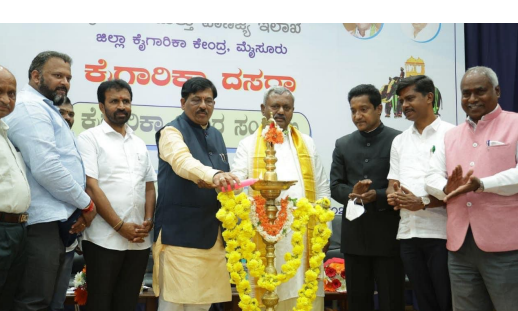
Industrial Development :-

Murugesha Nirani has been a key figure in the industrial development of Karnataka. Especially during his tenure as the Minister of Large and Medium Scale Industries, his efforts have been focused on attracting investments, promoting industrial growth and creating a conducive environment for businesses to flourish. Some of his major contributions in this sector include:
● Promotion of Industrial Estates and Industrial Parks:
Nirani has played a key role in the establishment and expansion of industrial estates and parks across Karnataka. These zones have provided a structured space for industries to set up operations. This has led to the creation of several jobs and boosted the local economy. By promoting industrial estates, Nirani has helped in the decentralization of industrial development. He has ensured that the less developed areas of Karnataka benefit from industrial growth.
●Murugesh Nirani encourages establishment of industrial estates and industrial parks :-
Murugesha Nirani was a prominent architect in promoting the development of industrial estates and parks in Karnataka during his tenure as Minister of Large and Medium Scale Industries. His initiatives in this area played a major role in transforming Karnataka into a major industrial hub of India. The salient points of his contributions to the promotion of industrial estates and parks are given below:
A. Strategic location and development :-
Nirani has recognized the importance of strategically located industrial estates and industrial parks in driving balanced regional development across Karnataka. He has been successful in identifying and developing industrial areas in various parts of the state, including urban and rural areas. By promoting industrial estates in less developed areas, Nirani ensured that the benefits of industrialization reach all parts of Karnataka, not just urban centres. This approach has contributed to reducing regional disparities and boosting local economies.
Murugesha Nirani said that the promotion of industrial estates and industrial parks in Karnataka is a significant factor in the industrial growth of the state and their efforts are well documented through various methods and projects. Some of the prominent examples of their contributions are :
●Establishment of Karnataka Industrial Areas Development Board (KIADB) :-
As Minister for Large and Medium Industries, Murugesh Nirani played a crucial role in strengthening the Karnataka Industrial Areas Development Board (KIADB). Under his leadership, KIADB accelerated land acquisition and development for industrial purposes across Karnataka. Manufacturing. KIADB has played a key role in developing several industrial areas catering to various sectors including IT and biotechnology. The establishment of the Dabaspet Industrial Area near Bangalore developed by KIADB has attracted several medium and large scale industries. This industrial area provides essential infrastructure like roads, electricity and water. It is a preferred location for businesses.
B. Infrastructure development :-
Under Nirani’s leadership, significant investments were made in developing the necessary infrastructure for industrial estates and industrial parks. This included providing essential services like power supply, water resources, road connectivity and waste management systems. By ensuring that these facilities were in place, Nirani made it easier for industries to set up operations and operate effectively. These industrial zones attracted domestic and international availability of world-class infrastructure is a key factor in attracting companies.
●Global Investors Meeting (GIM) :-
Nirani was a key figure behind the Global Investors Meet (GIM) held in Karnataka, especially the 2010, 2012 and 2022 editions. These events are designed to attract domestic and international investors to Karnataka by showcasing the state’s industrial potential and the availability of well-developed industrial estates and parks. The 2010 GIM saw investment proposals worth ₹4 lakh crore (approximately $53 billion). A significant portion of these investments were in industrial estates and parks. The 2010 GIM saw investment proposals worth Rs. 4 lakh crore (approximately $53 billion). A significant portion of these investments were directed towards industrial estates and parks. The event positioned Karnataka as a major destination for industrial investment and led to the establishment of new industrial zones across the state.
C. Public-Private Partnerships (PPP) :-
Nirani is a strong advocate for public-private partnerships (PPP) in the development of industrial estates and parks. By involving private sector players in the planning, development and management of these zones, he was able to leverage private investments and expertise. This has accelerated the pace of industrial development. The PPP model has helped industrial parks meet global standards. It has ensured that they are designed and make them attractive destinations for investors.
●Peenya Industrial Area Expansion :-
Bangalore’s Peenya Industrial Estate, one of Asia’s largest industrial hubs, benefited from expansion and infrastructure improvements during Nirani’s tenure. His efforts were focused on modernizing the existing infrastructure and supporting the growth of small and medium enterprises (SMEs) within this industrial estate. For example, Nirani’s push for infrastructure development in Peenya included better road networks, upgraded power supply and waste management systems. This expansion not only increased the capacity of the industrial estate but also attracted new businesses. This led to significant job creation.
●Major Contributions of Murugesha Nirani to the Welfare State through Development of Educational Sector :-
The development of educational infrastructure is a crucial factor in ensuring quality education and access to all students. In Karnataka, one of the prominent figures who has made significant contributions in this field is Murugesh R. Nirani. His efforts have been particularly notable in rural and backward areas where educational facilities were previously inadequate. Nirani has transformed the educational sector of Karnataka through a series of strategic approaches. This has made it more conducive to learning and overall student development.
●Historical context :-
Before Nirani’s interventions, many areas of Karnataka, especially rural areas, suffered from poor educational infrastructure. Schools were often run in dilapidated buildings with limited resources. Basic amenities such as classrooms, libraries, laboratories and sanitation facilities were lacking or in poor condition. This environment was a hindrance to the educational prospects of students, especially those from economically backward backgrounds.
Contributions of Nirani :-
●Modernization and construction of schools :-
Nirani recognized that the first step in improving education was to provide a conducive learning environment. He initiated the construction of new schools and renovation of existing schools across Karnataka. A notable example was the comprehensive overhaul of schools in Bagalkot district, where Nirani focused on building well-equipped classrooms, science laboratories and libraries. This not only improved the infrastructure but also increased the morale of both students and teachers. This led to better academic results”, not just physical this is evidenced by the significant increase in enrolment rates in these newly developed schools. A report by the Karnataka Education Department highlighted that schools in Bagalkot district that have benefited from Nirani’s infrastructure initiatives have seen a 30% increase in student enrolment in two years. This shows the direct impact of improved infrastructure on educational participation.
●Priority for rural education sector :-
Understanding the disparities between urban and rural education, Nirani placed special emphasis on developing infrastructure in rural areas. He spearheaded projects to build schools in remote villages where educational facilities were previously non-existent. For example, in the village of Inam Hanchinala, where Nirani himself studied, he facilitated the construction of a new school building to replace the old, overcrowded facility. This new infrastructure included spacious classrooms, a library, and a computer lab.
The success of the approach is evident in the improved academic performance of students in rural areas. A study conducted by the Karnataka State Council of Educational Research and Training (DSERT) found that students in villages where Nirani’s infrastructure projects were implemented scored significantly higher in state-level exams compared to areas without such improvements.
●Integration of technology in education :-
Nirani understood the importance of integrating technology in education to prepare students for the future. Under his guidance, many schools in Karnataka were equipped with computer labs and digital classrooms. These facilities allowed students to gain proficiency in computer skills that are essential in today’s digital world. The introduction of e-learning tools and digital resources enhanced the teaching process. It made it more interactive and engaging for students.
The impact of this technological integration is reflected in the rising digital literacy rates among students in Karnataka. According to a survey conducted by the National Institute of Educational Planning and Administration (NIEPA), schools that received technological infrastructure support under Nirani’s initiatives reported a 50% increase in students’ computer literacy in the first year.
● Improvement of sanitation facilities :-
Nirani’s infrastructure projects prioritized the construction of adequate sanitation facilities, especially for girls. Recognizing that lack of proper sanitation was a significant obstacle to education for many female students, he ensured that all new and renovated schools were equipped with clean and safe toilets. This measure not only improved the overall hygiene and health of students but also reduced the dropout rate among girls.
Contributed to 140, a report by the Karnataka State Commission for Women reported that in areas where Nirani’s initiatives were implemented, the dropout rate of female students had decreased by 40%, indicating the importance of such facilities in retaining students in schools.
●Challenges and solutions :-
Despite this success, Nirani faced several challenges in implementing these infrastructure projects. A major challenge was the availability of funds. To overcome this, Nirani actively sought public-private partnerships. This brought together resources from both government and private institutions. His ability to bring together different stakeholders was crucial in ensuring the sustainability of these projects.
Another challenge was the geographical and logistical difficulties of developing infrastructure in remote areas. Nirani addressed this by utilising local resources and involving them in the construction process. This not only 218/330 but also instilled a sense of ownership and pride among the local population.
Murugesha R. Nirani’s contributions to the development of educational infrastructure in Karnataka have had a profound impact on the educational sector of the state, with a focus on the construction and modernization of schools. Especially in rural areas, he has worked to bridge the gap between urban and rural education.
His efforts have led to increased enrolment, especially among female students, improved academic performance and higher retention rates. The success of these approaches is a testament to the critical role of infrastructure in achieving educational equity and quality. Nirani’s work in this area shows that with the right vision and commitment, it is possible to overcome the challenges of inadequate educational infrastructure and create an environment that promotes learning and development for all students,” says Murugesha Nirani, who has made significant strides in the field of education. He has placed particular emphasis on improving access to quality education and skill development. His contributions are aimed at empowering the youth of Karnataka to participate in the industrial and economic growth of the state. Key initiatives in this area include:
I. Establishment of Educational Institutions:
Nirani has played a key role in establishing and supporting educational institutions that cater to various levels of education, from primary schools to higher education institutions. By focusing on both rural and urban areas, he has helped reduce the educational divide and ensured access to quality education for students from all backgrounds.
Murugesha Nirani played a significant role in the establishment of educational institutions in Karnataka. He identified education as the cornerstone of the state’s long-term development. His contributions in this field reflect his commitment to increasing educational opportunities, especially in backward areas and to promoting a skilled workforce to support the industrial growth of Karnataka. Some of the key points and evidence of Nirani’s involvement in the establishment and support of educational institutions.
Establishing educational institutions in rural areas Nirani has played a key role in establishing educational institutions in rural parts of Karnataka, where access to quality education has historically been limited. His methods have been instrumental in providing education to students in underprivileged areas.
Nirani was the key figure behind the establishment of the Nirani Education Society, which runs several schools and colleges in rural Karnataka. These institutions provide education from primary to higher levels. They cater to the needs of students from agricultural and economically weaker backgrounds. The society’s efforts have significantly improved literacy rates and educational outcomes in these areas.
●Support for technical and vocational education :-
Understanding the need for skilled workers to support Karnataka’s industrial growth, Nirani has promoted technical and vocational education through the establishment of specialized institutions. For example, the Nirani Institute of Technology (NIT), founded by Nirani, offers various engineering and technology-related courses. Located in the rural district of Bagalkot, NIT aims to provide quality technical education to students of the region, preparing them for careers in the growing industrial sectors of Karnataka. The institute is a hub for producing skilled engineers and technicians who contribute to the state’s economy.
●Establishment of higher educational institutions :-
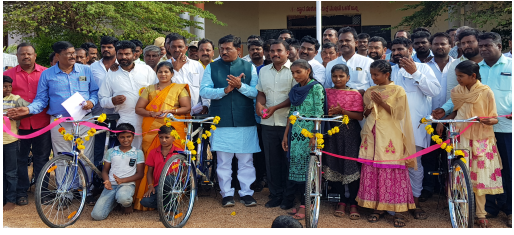
In addition to primary and secondary education, Nirani is involved in establishing higher education institutions, especially in areas that are relevant to the industrial needs of Karnataka, such as the Nirani Group of Institutions in various disciplines including engineering, management and science.
It includes colleges offering undergraduate and postgraduate programs. These institutions are designed to equip students with the skills and knowledge needed to succeed in today’s competitive job market, especially in industries such as IT, manufacturing, and biotechnology.
●Emphasis on educational infrastructure development :-
Nirani has actively promoted the development of educational infrastructure in Karnataka. He has ensured that schools and colleges have the necessary facilities to provide quality education. For example, Nirani has supported the construction of modern classrooms, laboratories, libraries and sports facilities in educational institutions established by his family and related organizations. This infrastructural development has enhanced the learning environment. It makes education more accessible and effective for students in rural and semi-urban areas.
●Scholarship and Financial Support for Students- M.R.N Vidyanidhi-2024 :-
Pratibha Puraskar Yojana for Post-Matric Students Nirani is involved in initiatives to provide financial assistance to make education more accessible to students from economically backward backgrounds. For example, Nirani Education Society offers scholarships and financial assistance to talented students who would otherwise not be able to pursue higher education. These scholarships cover tuition fees and other expenses. Students from low-income families students achieve their academic goals 223/330 without financial constraints.
●Focus on inclusive education and the process of inclusion :-
Nirani stressed the importance of inclusive education by ensuring access to quality education for students from diverse socio-economic backgrounds. For example, educational institutions supported by Nirani have implemented policies that promote inclusion, such as enrolling students from diverse communities and providing special support for students with disabilities. This focus on inclusion has helped create a more equitable educational environment in Karnataka.
●Collaboration with industry for skill development :-
Nirani has facilitated collaborations between educational institutions and industries to bridge the gap between academic knowledge and practical skills. These collaborations help students acquire industry-relevant skills and improve their employability. For example, Nirani Institute of Technology has partnered with several local industries to offer internship programs, business projects, and guest lectures. These collaborations provide students with practical experience and exposure to real-world industrial practices. This prepares them for successful careers in various fields.
Murugesha Nirani’s contributions to the establishment and promotion of educational institutions in Karnataka reflect his commitment to fostering educational equity and creating a skilled workforce. Through his efforts in establishing schools, colleges and technical institutes, Nirani has made significant progress in improving access to quality education across the state, particularly in rural areas. His focus on technical and vocational education, inclusive policies and industry collaboration has empowered students. Not only has it supported the broader economic development of Karnataka.
II. Strides in skill development :-
Understanding the importance of a skilled workforce in driving industrial growth, Nirani has championed skill development initiatives aimed at equipping the youth with the skills required to meet the demands of the modern economy. These programmes focus on technical and vocational training. Students are job-ready and able to contribute to the industrial sectors of the state. 144, Scholarships and Financial Assistance: To ensure that financial constraints do not hinder access to education, Nirani has supported the provision of scholarships and financial assistance to deserving students. These initiatives have enabled many students from economically weaker sections to pursue higher education and improve their socio-economic status.
III. Welfare initiatives :-
Apart from education and industry, Nirani’s contributions extend to various welfare initiatives aimed at improving the quality of life of the people of Karnataka. His work in this area has focused on social infrastructure, healthcare and rural development. All of which are integral to creating a welfare state.
●Social Infrastructure :-
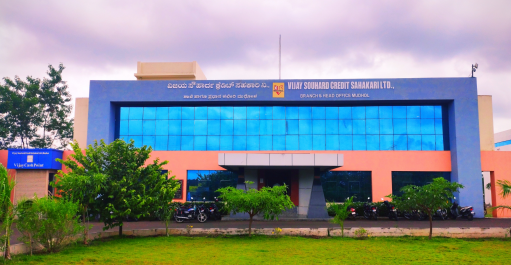
Nirani is particularly concerned about the rural and backward. They are involved in the development of social infrastructure, including roads, water supply and housing, in the regions. These initiatives have not only improved living conditions but also facilitated economic activities by increasing connectivity and access to resources.
●Health Care Initiatives:-
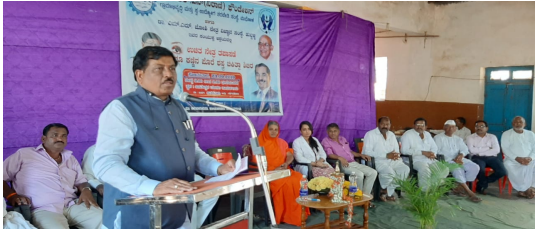
M.R.N Foundation’s Word of Mouth Free Speech Campaign Recognizing the importance of healthcare in a welfare state, Nirani has supported the establishment of health facilities and programs aimed at improving public health. His efforts have contributed to better healthcare access. Especially in rural areas, where healthcare infrastructure is often lacking.
●Rural Development:-

Nirani’s focus on rural development is to increase agricultural productivity.It includes initiatives aimed at improving, providing basic amenities and promoting sustainable development practices. These efforts are crucial in reducing the rural-urban divide and ensuring balanced regional development in Karnataka.
Nirani’s contributions to Karnataka’s development, especially in the industrial and educational spheres, have been transformative. His efforts have not only driven economic growth and job creation but have also empowered the state’s youth through education and skill development. By focusing on both industrialization and human capital development, Nirani has played a key role in shaping Karnataka’s path towards becoming a welfare state that prioritizes the well-being and prosperity of its people. His legacy in these areas will have a lasting impact on the state’s development in the years to come.